
Many individuals diagnosed with mesothelioma face overwhelming challenges when seeking compensation for their illness. Understanding how to navigate the complex legal process is crucial to securing the financial support you need. In this guide, we will provide you with a clear, step-by-step approach to help you effectively file your mesothelioma compensation claim, outlining key considerations, documentation requirements, and strategies for maximizing your payout. With the right information and guidance, you can confidently take the necessary steps toward receiving the justice and compensation you deserve.
Understanding Mesothelioma
While navigating the complex world of mesothelioma, it is crucial to develop a solid understanding of what this disease entails. The term mesothelioma refers to a rare and aggressive form of cancer that primarily affects the lining of the lungs, known as the pleura, but can also occur in the abdominal cavity, heart, and other areas. This cancer is characterized by the growth of abnormal cells in the mesothelium, which is the protective lining of various internal organs. Despite being considered rare, mesothelioma is quite devastating due to its difficult diagnosis and the quick progression of symptoms after initial exposure to its primary cause, asbestos.
Clearly, the diagnosis of mesothelioma can often be a daunting experience. The cells affected by the condition may not produce significant symptoms until the disease has reached an advanced stage. This lack of early warning signals is one of the reasons why mesothelioma is often diagnosed late, leaving limited options for effective treatment. You should also be aware that there are different types of mesothelioma, including pleural mesothelioma, peritoneal mesothelioma, and pericardial mesothelioma. Each type varies in terms of location and treatment protocols, making it crucial for you to understand the specific type you may be dealing with if diagnosed.
Understanding the nuances of mesothelioma is crucial for anyone affected by this condition, whether it’s a patient or a family member. You may find it helpful to connect with specialists in oncology or palliative care to gain insights on potential therapies, clinical trials, and closer support networks. Focusing on both your physical and emotional well-being will be vital in navigating this journey effectively.
The Causes of Mesothelioma
While the primary cause of mesothelioma is exposure to asbestos, it is crucial to examine deeper into how this exposure occurs and its implications. When asbestos fibers are inhaled or ingested, they can become lodged in the linings of the lungs, abdomen, or other organs, leading to cellular damage over time. As the years progress, the body may become unable to eliminate these fibers, increasing the risk of cancerous developments. You might be surprised to learn that mesothelioma often emerges decades after initial exposure, sometimes taking up to 50 years to manifest.
Clearly, workers in industries such as construction, manufacturing, shipbuilding, and automotive repair are at a significantly higher risk due to potential asbestos exposure. Additionally, families of workers exposed to asbestos may unknowingly come into contact with the fibers brought home on clothing or work equipment. As a result, it is crucial for you to be aware of your environment and any potential risks that could lead to exposure, especially if you or your loved ones belong to these industries. Awareness can lead to stronger preventive measures to reduce the risk of mesothelioma.
Causes of mesothelioma can also be influenced by other factors, such as genetics and pre-existing conditions. Certain individuals may have a genetic predisposition that makes them more susceptible to developing mesothelioma even with lower levels of asbestos exposure. Understanding these nuances is key to recognizing your own risk factors and taking proactive steps to safeguard your health.
Symptoms and Diagnosis
Mesothelioma symptoms often start subtly and may initially be mistaken for other less serious ailments. Common symptoms include persistent cough, chest pain, difficulty breathing, and abdominal swelling. You might also experience fatigue, weight loss, and fluid buildup in the chest or abdomen. These signs can be easy to overlook at first, but recognizing them and seeking medical advice early can be critical. A timely diagnosis can significantly impact treatment options and outcomes, so it’s important not to dismiss these symptoms as just part of aging or stress.
Mesothelioma diagnosis typically involves several steps to determine the presence of cancer and its specific type. Your healthcare provider may conduct imaging tests such as X-rays, CT scans, or MRIs followed by a biopsy to confirm the diagnosis. This process can feel overwhelming, but you should consistently advocate for yourself and ask questions to better understand each step being undertaken. Early diagnosis can lead to more effective treatment options tailored to your condition.
It is crucial that you prioritize regular check-ups and discuss potential exposure to asbestos with your healthcare provider, particularly if you have been in a high-risk profession. Establishing an open line of communication with your medical team can provide you with the best possible outcomes concerning your health.

Types of Mesothelioma Compensation
One important aspect of navigating a mesothelioma compensation claim is understanding the various types of compensation that may be available to you. There are several avenues through which you can seek compensation for your mesothelioma diagnosis. Below are the primary types of compensation you might consider:
- Asbestos Trust Funds
- Lawsuits against Asbestos Manufacturers
- Veterans Affairs (VA) Benefits
- Workers’ Compensation
- Life Insurance Claims
| Type of Compensation | Description |
|---|---|
| Asbestos Trust Funds | Compensation set aside by companies to pay for claims due to asbestos exposure. |
| Lawsuits against Asbestos Manufacturers | Legal action against companies responsible for asbestos exposure. |
| Veterans Affairs (VA) Benefits | Benefits specifically for veterans exposed to asbestos during military service. |
| Workers’ Compensation | Compensation for workers who developed mesothelioma due to occupational exposure. |
| Life Insurance Claims | Claims against life insurance policies that may provide benefits to affected individuals. |
Asbestos Trust Funds
For many individuals diagnosed with mesothelioma, asbestos trust funds represent a viable path to compensation. These funds were established by bankrupt companies that produced, manufactured, or sold asbestos-containing products. The trust funds are specifically designed to compensate victims and their families who have suffered due to the negligence of these companies. You may be eligible to file a claim, and the amount you receive can vary widely based on several factors, including the severity of your illness, the specific trust fund, and your exposure history.
Applying for compensation through asbestos trust funds is generally a straightforward process; however, it is vital to gather all relevant documentation related to your diagnosis and exposure history to support your claim. The claims process may involve filling out detailed forms, submitting medical records, and sometimes attending hearings. While some trust funds can provide financial support relatively quickly, others may require a longer wait time. It is strongly recommended that you consult legal assistance to navigate the complexities of these funds and maximize your potential compensation.
Understanding the intricacies of asbestos trust funds is crucial for successfully obtaining your due compensation. Many claimants have noted that, although it might be a complicated process initially, the funds can provide substantial relief. Depending on your circumstances, some funds have been known to offer settlements that can exceed several hundred thousand dollars, reflecting the significant risks associated with asbestos exposure.
Lawsuits against Asbestos Manufacturers
Asbestos manufacturers have long been held accountable for their negligence regarding the dangers of asbestos exposure. If you are diagnosed with mesothelioma due to exposure from a manufacturer’s product, you may consider pursuing a lawsuit against them. In these cases, it is vital to gather all relevant evidence, including your employment history, exposures, and medical records. A successful claim can provide you with significant compensation to help cover medical expenses, lost wages, and pain and suffering.
When contemplating lawsuits against asbestos manufacturers, you should be aware that the legal process can be lengthy and may have its own challenges. These lawsuits often involve complex legal matters, including proving liability and establishing a direct link between your diagnosis and the manufacturer’s products. Working with an experienced attorney who specializes in mesothelioma cases is crucial, as they can guide you through the process, handle the negotiations, and represent your best interests in court.
The potential payout from a successful lawsuit can vary, but it is often substantial, especially if it is proven that the manufacturer was aware of the dangers associated with their products. This legal avenue not only offers compensation for you but may also place pressure on the manufacturers to change their practices and increase awareness about the dangers of asbestos.
Funds generated from legal actions may also contribute to other victims’ settlements, fostering a broader sense of accountability within the industry.
Veterans Affairs (VA) Benefits
The Veterans Affairs (VA) benefits system provides vital support for veterans exposed to asbestos while serving in the military. Because many veterans were exposed to asbestos in shipyards, Navy vessels, and military installations, the VA recognizes the connection between military service and the risk of developing mesothelioma. If you are a veteran diagnosed with mesothelioma, you may qualify for various benefits, including disability compensation and health care services.
The application process for VA benefits requires you to submit medical documentation supporting your diagnosis and evidence of your military service. Once your claim is approved, the compensation can significantly ease the financial burden associated with medical treatments, travel expenses, and necessary home adaptations. Additionally, the VA offers support through a network of healthcare providers experienced in treating mesothelioma and related illnesses.
It is vital to understand your rights and benefits as a veteran, as the claims process can be intricate and often challenging. Applying for veteran’s benefits can be an involved procedure, but organizations and legal experts are available to guide you through this process. Conducting thorough research and seeking assistance from veteran-focused organizations can also aid you in receiving the benefits to which you are entitled.
This comprehensive support system ensures veterans diagnosed with mesothelioma have access to the services and compensation necessary to manage their diagnosis effectively.
Factors Influencing Compensation Claims
Despite the complexities surrounding mesothelioma compensation claims, understanding the key factors that influence your potential compensation can significantly enhance your chances of securing a fair settlement. Here are a few vital elements that come into play:
- The Severity of the Illness
- Length of Exposure to Asbestos
- Jurisdiction and Legal Precedents
Recognizing these factors can help you navigate the intricate landscape of your compensation claim with greater confidence and clarity.
The Severity of the Illness
Even though all cases of mesothelioma stem from asbestos exposure, the severity of your illness greatly influences the amount of compensation you may receive. Medical professionals often classify mesothelioma into different stages, and the stage of your disease can indicate how extensively it has progressed and the impact it has on your overall health. More advanced stages typically require rigorous treatments and ongoing medical care, resulting in higher potential claims. Moreover, your symptoms and their severity will be scrutinized during the claims process, so it’s crucial that you have comprehensive medical documentation proving the extent of your illness.
Additionally, factors such as your age at diagnosis and any coexisting health conditions can also play a pivotal role. Younger patients may be viewed as having more future medical expenses and lost earnings potential than older patients, thus influencing the compensation amount upwards. Furthermore, if your mesothelioma has led to other complications or illnesses, this can also add to the total damages assessed, putting forth the necessity of a thorough evaluation from healthcare professionals.
An important point to note is that emotional distress and loss of quality of life are also valid considerations in determining your compensation. As a mesothelioma patient, you may experience anxiety, depression, or emotional pain due to your diagnosis. These issues, which are often overlooked, warrant recognition in the final settlement discussions. Overall, understanding the severity of your illness is crucial for accurately representing yourself during the claims process and advocating for the compensation you deserve.
Length of Exposure to Asbestos
Clearly, the duration of your exposure to asbestos can significantly influence your compensation claim. The longer you were exposed to this hazardous material, the greater your risk of developing mesothelioma or other asbestos-related diseases. Compensation claims often take into account not only the length of exposure but also the type of asbestos materials involved, as some materials pose a higher risk than others. If your exposure was extensive, it generally enhances the credibility of your claim.
Furthermore, the specific conditions under which you were exposed can also factor into the settlement amount. For instance, if you worked in industries known for high asbestos exposure—such as construction, manufacturing, or shipbuilding—you may have a stronger case for compensation. Documenting your work history and details of your exposure, including dates and locations, is crucial in solidifying your claim. Clear evidence that links your exposure to your diagnosis can significantly impact the negotiations with insurers and asbestos trusts.
To ensure that you provide adequate information regarding your length of exposure, consider contacting coworkers or industry professionals who can provide testimony about the conditions at your workplace. Personal accounts can serve as valuable evidence in supporting your claims and illustrating the risks associated with your environment. The depth and reliability of your account can affect potential compensation, helping to substantiate your case against parties that may be liable for your situation.
Jurisdiction and Legal Precedents
Influencing your mesothelioma compensation claim significantly are the factors of jurisdiction and legal precedents. Different states have varying laws regarding asbestos claims. Some jurisdictions may have more favorable laws for victims, which can affect how your case is handled and the amount of compensation you can receive. Additionally, specific laws such as statutes of limitations may dictate how long you have to file your claim after your diagnosis. Delaying could mean losing your chance for compensation altogether.
Furthermore, the presence of legal precedents in your jurisdiction also plays a crucial role. Previous cases of mesothelioma claims can create a roadmap for current claims, potentially influencing compensation amounts and legal strategies. Courts may consider established payouts in similar cases, which can help set expectations for what you might receive. Understanding how your jurisdiction has previously handled claims can provide insight into the likelihood of success in your case.
Legal guidelines in your jurisdiction can also impact compensation limits, and recognizing these courts’ stances will give you an advantage when navigating your claim. Legal precedents can establish what is deemed reasonable compensation based on historical payouts, which can empower you when negotiating your settlement with insurers. Consulting an attorney who specializes in mesothelioma claims can help clarify the legal landscape, ensuring that you are fully aware of your rights and the implications of the laws applicable to your claim.
Legal knowledge and awareness of your jurisdiction can strongly enhance your advocacy efforts during the claims process. By remaining informed about these factors, you can proactively engage in discussions surrounding your compensation, ensuring that your case is represented in the best possible light.
Pros and Cons of Each Compensation Option
All of the compensation options available to mesothelioma victims have their own sets of advantages and disadvantages. Understanding these pros and cons can significantly impact your decision on which avenue to pursue for financial recovery. In this section, we will break down the critical aspects associated with asbestos trust funds, lawsuits, and VA benefits, helping you make a well-informed choice suited to your needs.
Asbestos Trust Funds
| Pros | Cons |
|---|---|
| Fast access to funds | Limited payouts based on the trust |
| No need to prove negligence | Not all companies have established trusts |
| Less stress and time required | May require legal assistance for filing claims |
| Compensation available regardless of the statute of limitations | Funds may be depleted over time |
| Multiple claims possible against different trusts | Complex documentation required in some cases |
Pros of Asbestos Trust Funds
For individuals diagnosed with mesothelioma, asbestos trust funds offer a quick and efficient method of obtaining compensation. These specialized funds are set up by bankrupt asbestos companies to compensate victims. In many cases, you can receive payments in a matter of months instead of enduring a lengthy legal battle. This expedient access to funds can create a financial buffer that eases the burdens of medical expenses and lost income associated with the disease.
Another significant advantage is that you don’t need to prove negligence on the part of the company responsible for your exposure. This no-fault element means you can focus on your treatment and recovery without the added pressure of navigating a complicated legal situation that often comes with lawsuits. The requirement to only show that you were diagnosed with a mesothelioma-related condition simplifies the process for many victims.
Additionally, you have the opportunity to pursue claims against multiple trusts if you have been exposed to asbestos from various companies. This maximizes your potential compensation and can prove important when dealing with the financial ramifications of your diagnosis. You can benefit from expert legal assistance to help you manage your claims efficiently while you concentrate on your recovery.
Cons of Lawsuits
Option for pursuing compensation through lawsuits carries its challenges. Engaging in a lawsuit can be a lengthy and complicated process. Your case may take several years to resolve, which means you might experience significant delays before receiving any financial compensation. Since mesothelioma is often diagnosed in advanced stages, time is of the essence, and the drawn-out litigation process may add unnecessary stress to an already challenging situation.
Furthermore, lawsuits require you to gather substantial evidence to prove negligence on the part of the asbestos companies. This element of the process can be daunting and might necessitate the involvement of experts, which can lead to added expenses. You’ll need to consider whether you are prepared to handle not just the physical toll of your illness but also the emotional burden that often accompanies a protracted legal battle.
With all of these factors in play, lawsuits may yield varying degrees of success. In some cases, juries may be sympathetic, resulting in a favorable decision for you. However, there is a risk of non-favorable outcomes that may leave you without the compensation you need to cover medical and living expenses. Ensuring that you have the appropriate legal representation can alleviate some of these concerns, but it’s important to weigh these risks carefully.
VA Benefits
| Pros | Cons |
|---|---|
| Monthly compensation available | Eligibility criteria can be stringent |
| Availability of healthcare services through the VA | Long application process and waiting times |
| Additional benefits may include housing assistance | Not all veterans are eligible for benefits |
| Tax-free benefits | Discharge status may affect eligibility |
| Access to specialists within the VA system | Potentially limited treatment options |
Pros and Cons of VA Benefits
Option for veterans diagnosed with mesothelioma to pursue VA benefits can be an invaluable avenue for financial support and healthcare services. If you are a veteran, you may qualify for monthly compensation that is important for managing treatment costs. VA benefits can ease the financial strain of medical bills, enabling you to focus on your health rather than your finances. The program also allows veterans access to specialized healthcare services, ensuring high-quality treatment tailored to your specific needs.
However, you should be aware that eligibility for VA benefits can be stringent. You must prove that your condition is connected to your time in service, which can sometimes pose challenges depending on the circumstances of your exposure. Additionally, the application process can be lengthy, often involving extensive paperwork and potential wait times before receiving approval. It’s crucial to understand the application requirements thoroughly to avoid unnecessary delays.
A final consideration when evaluating VA benefits is that they may not cover all of your potential expenses. While you’re likely to receive monthly compensation and access to healthcare, some veterans may find that their benefits do not fully meet their financial demands. This can be particularly challenging if you have ongoing medical costs or need specialized treatments not covered by the VA. You must assess your situation and seek guidance to ensure you are maximizing the benefits to which you might be entitled.
A comprehensive understanding of the pros and cons of every compensation option is crucial for making a well-informed decision. Each avenue can offer unique advantages, but it is also important to remain aware of potential drawbacks. Evaluating these elements in your individual context will help you navigate your mesothelioma compensation claim more effectively.
Step-by-Step Guide to Navigating Mesothelioma Compensation Claims
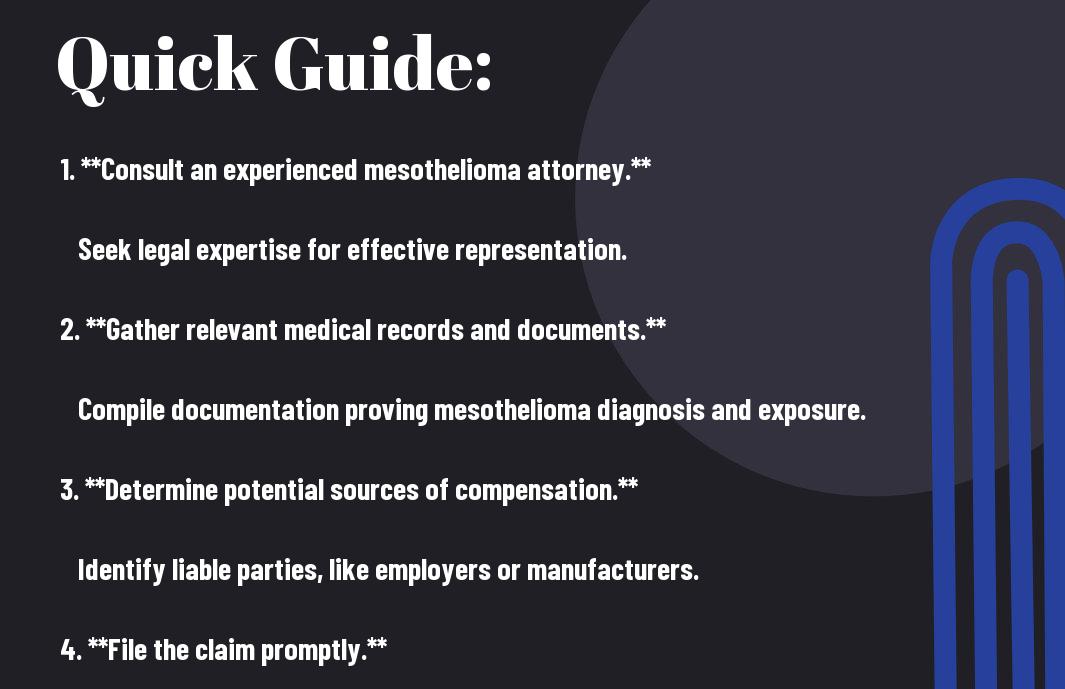
Not everyone knows the right steps to take when navigating a mesothelioma compensation claim. This guide will help you understand the vital processes and actions required to pursue the compensation you deserve. Each step is crucial to ensure that you present a strong case for your claim.
Step-by-Step Overview of Mesothelioma Compensation Claims
| Step | Description |
| Step 1 | Gather Relevant Medical and Employment Records |
| Step 2 | Identify All Potential Sources of Compensation |
| Step 3 | Consult with a Legal Professional |
Step 1: Gather Relevant Medical and Employment Records
Compensation for mesothelioma often hinges upon solid evidence, particularly in the form of medical and employment records. Begin by collecting your medical documents that confirm your diagnosis of mesothelioma. Key documents include pathology reports, imaging studies, treatment records, and any disability documentation. These records are vital as they establish the severity of your condition and the impact it has had on your life.
You should also secure your employment history records, especially those that detail your exposure to asbestos. This includes pay stubs, tax documents, and any correspondence from previous employers. If you worked in industries known for high asbestos exposure—such as construction, shipbuilding, or manufacturing—this will strengthen your claim significantly. Be sure to note the timeline of your work history and the locations of employment, as these details will be critical when identifying responsible parties.
Moreover, obtaining statements from colleagues or others who can confirm your exposure can provide additional support for your claim. If you have trouble accessing your records, consider reaching out to human resources departments or former employers. This documentation forms the backbone of your claim and is vital for justifying your need for compensation.
Step 2: Identify All Potential Sources of Compensation
Step two of your compensation journey involves identifying all possible sources of financial compensation for your mesothelioma diagnosis. This can include various options such as asbestos trust funds, which have been established by bankrupt companies to compensate victims of asbestos exposure. You may also have the right to file a lawsuit against the companies responsible for your exposure to asbestos.
Additionally, explore options like veterans’ benefits if you served in the military and were exposed to asbestos during your service. The Department of Veterans Affairs offers compensation to veterans suffering from service-connected conditions, including those caused by asbestos exposure. Furthermore, if a loved one has passed away due to mesothelioma, you may be eligible to file a wrongful death claim, seeking compensation for your loss and associated expenses.
Claims can often be complex, but understanding your options is vital. Be sure to research each potential source of compensation thoroughly; depending on the circumstances of your exposure, you may find multiple avenues that could provide significant financial assistance in your journey toward recovery.
Step 3: Consult with a Legal Professional
Records and documentation are critical, but navigating the legal landscape of mesothelioma compensation can be complicated. Therefore, consulting with a legal professional who specializes in mesothelioma claims is highly recommended. An experienced attorney can analyze your case, advise you on your rights, and help pinpoint potential sources of compensation you may have overlooked. Their expertise in this specific area will quickly prove invaluable in maneuvering through the claims process.
The right legal professional can also help you assess the strength of your case, ensuring that you have gathered all necessary documents before filing. They will guide you on filing deadlines and how to properly submit your claim. With their help, you can avoid common pitfalls that many claimants face, thus maximizing your chances of receiving fair compensation.
Finally, a consultation can provide you with a clearer understanding of the potential value of your claim, taking into account your medical condition, financial circumstances, and the strength of the evidence at hand. This step is vital, as strong legal representation can make a substantial difference in the outcomes you experience during your compensation journey.
Sources like legal professionals can lead you to the most productive avenues of compensation, ultimately helping to secure your financial future as you navigate treatment and recovery from mesothelioma.

Choosing the Right Legal Representation
Keep in mind that choosing the right legal representation is crucial when you are navigating your mesothelioma compensation claim. A knowledgeable attorney can significantly impact the outcome of your case, ensuring you receive the compensation you deserve. With many options available, it is vital to assess the qualifications and experience of the lawyers you are considering. In particular, you should understand the differences between personal injury lawyers and those who specialize specifically in mesothelioma cases.
Types of Lawyers: Personal Injury vs. Mesothelioma Specialists
Right off the bat, it’s important to recognize the distinction between personal injury lawyers and mesothelioma specialists. Personal injury lawyers handle a broad range of cases, from car accidents to medical malpractice, while mesothelioma specialists focus exclusively on asbestos-related diseases. They possess a deeper understanding of the specific laws and regulations pertaining to mesothelioma claims, which can put you in a better position to navigate the complexities of your case.
Moreover, mesothelioma cases often involve intricate details surrounding exposure, workplace history, and the nature of asbestos-related illnesses. These specialists typically have experience working with asbestos litigation and can help you gather critical evidence to substantiate your claim. By selecting a lawyer with a focus on mesothelioma, you are more likely to benefit from their targeted knowledge and expertise, which personal injury lawyers may not possess.
| Mesothelioma Specialists | Personal Injury Lawyers |
| Focused experience in mesothelioma cases | Handles a broader spectrum of injury claims |
| Knowledge of asbestos exposure laws | General understanding of personal injury laws |
| Access to expert witnesses in mesothelioma | May not have the same resources specific to asbestos claims |
| Higher likelihood of maximizing compensation | May achieve varied results depending on case type |
The choice between personal injury lawyers and mesothelioma specialists has significant implications. Therefore, it is in your best interest to prioritize lawyers who have a strong track record in handling cases similar to your own. Their expertise can help steer your case in the right direction, particularly in terms of evaluating your damages and formulating a solid strategy for success.
Questions to Ask Your Lawyer
Some key questions can help you determine whether a potential attorney is the right fit for your mesothelioma claim. It’s critical to ask about their experience specifically with mesothelioma cases, including their success rates and how many cases they have handled. Questions such as, “What is your strategy for pursuing my claim?” and “How do you approach negotiating with corporations?” can provide valuable insights into their methodology. Additionally, inquire about their communication style and how often you can expect updates about your case, as a strong collaborative relationship with your lawyer is paramount to success.
Furthermore, you should ask whether they work on a contingency fee basis and what costs you might incur throughout the process. Knowing how much you might have to pay upfront or along the way is vital for budgeting your claim and understanding the potential outcomes. Make sure you feel comfortable asking any follow-up questions to clarify their answers, as transparency is key in any attorney-client relationship.
With each question, you set the groundwork for a trusting partnership with your attorney. If they provide clear and comprehensive answers, it indicates a heightened level of commitment to your case. Ensure that your instinct guides you—if you feel uncertain or uncomfortable, do not hesitate to continue your search for the right legal representation.
Understanding Legal Fees and Payment Structures
There’s no denying that understanding legal fees and payment structures is vital when you hire a lawyer for your mesothelioma claim. The majority of professionals in this field work on a contingency fee basis, meaning they only get paid if you win your case. This arrangement can ease the financial burden, allowing you to pursue justice without the worry of upfront costs. Be sure to discuss the percentage they will take from your settlement, as this can vary significantly among attorneys.
When evaluating legal fees, it’s important to also consider the additional costs that may arise during the litigation process. Expenses such as court fees, expert witness fees, and administrative costs might be billed separately, and being aware of these potential charges will help you prepare financially. Ask your attorney to provide a detailed breakdown of any expected costs, so you can budget accordingly.
Choosing the right legal representation goes beyond just hiring someone who promises the highest payout. It’s about finding an attorney who is attentive to your needs and confident in handling mesothelioma claims. By having a clear understanding of your attorney’s fees, payment structures, and the expected legal expenses, you’ll be better equipped to make informed decisions during this challenging time.

Preparing Your Compensation Claim
For anyone facing the challenges of a mesothelioma diagnosis, preparing your compensation claim can feel overwhelming. However, it’s imperative to understand that this process can significantly impact your ability to secure the funds necessary to cover medical expenses, lost wages, and other costs associated with your illness. Take each step cautiously and ensure that everything is meticulously documented to strengthen your claim.
Documenting Your Medical History
If you want to build a strong case for your mesothelioma compensation claim, one of the most crucial aspects is thoroughly documenting your medical history. Start by gathering all relevant medical records that detail your diagnosis and treatment for mesothelioma. This includes pathology reports, imaging tests, treatment plans, and any other healthcare documentation. Having a comprehensive timeline of your medical journey will not only support your claim but can also provide valuable details to your medical professionals about your condition.
It’s also advisable to document any symptoms you experience that may be associated with your mesothelioma. This could include significant physical changes, pain management history, or daily challenges that arise as a result of your illness. Keeping a journal can be an effective way to track these personal experiences and their impact on your daily life. Your testimony regarding the severity of your condition can play a vital role in conveying the emotional and physical toll this disease has taken on you.
Finally, you should ensure that you obtain and keep any documents related to your work history, especially if you believe your exposure to asbestos occurred through your employment. W-2 forms, pay stubs, and other employment records can help illustrate your connections to environments where asbestos was present. When combined, this evidence can create a compelling narrative that strengthens your compensation claim.
Submitting Required Forms and Evidence
Some individuals may overlook the importance of properly submitting required forms and evidence as part of their mesothelioma compensation claim. Each claim process varies depending on whether you’re filing with a trust fund, a lawsuit, or through insurance, but generally, you will need to complete and submit specific forms along with evidence that supports your case. Be diligent in reviewing the instructions provided by the entity you are filing with to ensure that all necessary documentation is submitted accurately and in a timely manner.
A critical step in this process includes organizing your evidence, which can range from medical records to affidavits from co-workers regarding asbestos exposure. Make it a point to maintain copies of everything submitted as a precaution against any lost materials or discrepancies that could arise in the future. Furthermore, if you are working with a legal expert, they can assist you in navigating the complex specifics of your submission.
A comprehensive understanding of the requirements will serve you well. You may need to fill out forms that ask for details such as your personal information, the specifics of your exposure, the nature of your illness, so being meticulous in gathering and presenting this information cannot be emphasized enough.
Timelines for Filing Claims
Submitting your claim within the appropriate timelines for filing claims is a critical part of the compensation process. Many jurisdictions impose strict deadlines that compel you to file your claim within a specific time frame from the date of diagnosis or discovery of your illness. These deadlines, referred to as statutes of limitations, vary by state and can significantly impact your chances of receiving compensation if not adhered to. It’s imperative to consult with a legal expert immediately after your diagnosis to ensure you understand the deadlines relevant to your situation.
The importance of acting swiftly cannot be overstated. Delaying your claim not only runs the risk of losing your right to compensation, but also may complicate your ability to gather meaningful evidence as time progresses. Documentation can fade, witnesses may move or pass away, and your personal situation may change, making it more challenging to establish a solid case later.
History indicates that claims filed sooner are often handled more efficiently, enabling you to access the financial help you need when navigating treatment and the implications of your diagnosis. Consulting with experts familiar with mesothelioma litigation can offer you insight into the state-specific timelines you must follow.
History also shows that timely claims can lead to more favorable outcomes as the details of incidents are still fresh in the minds of potential witnesses. Prompt filing aligns with the principles of evidence gathering and preservation, providing you with a better chance at securing the compensation you deserve.
The Role of Asbestos Trust Funds
Overview of Trust Funds
Many individuals who have been diagnosed with mesothelioma due to asbestos exposure are often burdened by the financial strain of medical bills and lost wages. To assist victims and their families, asbestos trust funds have been established. These funds arose from legal settlements involving companies that were liable for asbestos exposure, allowing them to set aside a significant amount of money specifically earmarked for compensation claims. As a result, these trust funds serve as a critical resource for those affected by mesothelioma, providing necessary financial assistance during a challenging time.
With the establishment of these trust funds, you have a viable pathway to seek compensation without the lengthy, often exhausting process of litigation. Trust funds are designed to simplify the claims process, making it more accessible for victims and their families. Most importantly, you should know that these funds do not require a trial in court, and you can often receive your compensation much faster than traditional lawsuits. This streamlined process is a crucial lifeline for many who are battling the devastating effects of mesothelioma.
Furthermore, it is necessary to note that not every case will qualify for compensation from trust funds, and eligibility requirements may vary between different asbestos companies’ trusts. You will need to review the specific criteria for each trust to understand your eligibility. In general, if you have been diagnosed with an asbestos-related illness and have documentation of your exposure, you are likely to be a candidate for making a claim against a trust fund. In this regard, gathering evidence and understanding which trust funds you may be eligible for is a key component of your claim process.
How to File a Claim with a Trust Fund
Fund your claim process by understanding the steps involved in filing a claim with a trust fund. The first step is to gather all necessary documentation, including your medical records that confirm your diagnosis of mesothelioma, details about your asbestos exposure history, and any relevant employer information. Each asbestos trust fund has its own set of guidelines, so you should verify precisely what documentation is required for the particular trust you are applying to. By doing this, you can ensure that your claim is as strong as possible.
Next, you’ll need to complete a claim form provided by the trust fund you are targeting. This form typically requires information regarding your personal details, medical history, and previous exposure to asbestos. It is crucial to be as detailed and accurate as possible when filling out these forms, as any discrepancies could lead to delays or denial of your claim. Consider enlisting the help of an experienced attorney who specializes in asbestos litigation to navigate the process smoothly and increase your chances of a successful outcome.
Role of an experienced attorney cannot be overstated in this process as they not only help you gather the necessary documents and prepare your claim but also ensure that all legal aspects are properly addressed. Additionally, they can often expedite the claim process and negotiate for the best possible compensation amount. Your attorney can assist you in understanding the nuances of each trust and helping you determine which funds you are eligible for based on your exposure history and diagnosis.
Compensation Amounts from Trust Funds
If you’re wondering about the potential compensation you may receive from asbestos trust funds, the amounts can vary significantly based on a variety of factors. Generally, the compensation awarded can range from a few thousand dollars to hundreds of thousands, depending on the specific trust, your exposure history, and the severity of your medical condition. Some trusts have established matrices that outline the expected payout based on the type of illness and other related details, providing a degree of transparency in the compensation process.
It’s necessary to understand that while compensation amounts may vary, they aim to cover not just medical expenses, but also lost wages and pain and suffering that accompany a mesothelioma diagnosis. Moreover, the compensation you receive is typically intended to help you maintain some level of financial stability while you undergo treatment and navigate the journey ahead. If your case is well-documented and supported by strong evidence of exposure, you could be in a favorable position to receive a higher compensation amount.
Overview of compensation from trust funds is crucial for ensuring you receive the financial assistance you need during this overwhelming time. By being informed and understanding the factors involved in the claims process, you can confidently move forward in seeking the compensation owed to you for your exposure to asbestos and its lifelong consequences.
Filing a Lawsuit: A Comprehensive Approach
Once again, if you find yourself needing to navigate a mesothelioma compensation claim, understanding the **legal landscape** is crucial. One of the most significant steps in this journey is deciding whether to file a personal injury lawsuit or a wrongful death lawsuit. Each path brings different implications for you and your loved ones, and recognizing the boundaries between them can greatly influence the outcome of your claim. It’s crucial to grasp that a **personal injury lawsuit** is typically filed by an individual diagnosed with mesothelioma, allowing you to seek compensation for medical expenses, lost wages, and emotional distress. Conversely, a **wrongful death lawsuit** is initiated when the diagnosed individual’s family seeks compensation due to the death of their loved one caused by mesothelioma, focusing on funeral expenses and the potential lost income for the family.
Types of Lawsuits: Personal Injury vs. Wrongful Death
With the different types of lawsuits in mind, determining which one applies to your situation can affect your approach to seeking compensation. The personal injury route allows you to personally advocate for your rights while being able to articulate the suffering and challenges you’ve faced since your diagnosis. In contrast, a wrongful death lawsuit requires the family members to convey the loss and resulting emotional and financial hardships their loved one’s demise has caused. This distinction is paramount in establishing the context of your legal claim and can shape the narrative of the trial or settlement discussions significantly.
At this juncture, it’s also important to note the **statute of limitations** that applies to each type of lawsuit, which dictates how long you have to file after the event occurs. In many jurisdictions, there may be varying deadlines for personal injury and wrongful death actions, making it crucial that you are aware of these deadlines. Disregarding them could jeopardize your claim and result in losing the opportunity to pursue the compensation you deserve. Thus, consulting with an experienced attorney who specializes in mesothelioma cases is a prudent step to ensure that you avoid critical pitfalls as you move forward.
| Aspect | Details |
| Who Files | Diagnosed individual (personal injury), family members (wrongful death) |
| Type of Compensation | Medical costs, emotional distress (personal injury); funeral expenses, lost income (wrongful death) |
| Notifications | Personal injury cases require direct testimony; wrongful death cases require storytelling through family impact |
| Statute of Limitations | Varies by state, critical to meet deadlines |
| Consultation Importance | Vital for understanding nuances and avoiding mistakes |
Clearly, understanding the procedures and deadlines for filing a lawsuit is pivotal in ensuring that you do not miss your chance for compensation. The legal process surrounding mesothelioma claims can be intricate, and recognizing the timeline from diagnosis through to filing is crucial. Each state has its own set of rules, and being lax on these deadlines can lead to your case being thrown out of court. For personal injury claims, you often have a set period from the time of diagnosis to file your suit, while wrongful death suits can have different timeframes that may start from the date of death instead. Knowing these timelines is crucial in alignment with the particulars of your situation.
Additionally, understanding **filing procedures** can feel daunting but is one of the most necessary aspects of your claim journey. This includes gathering documentation such as medical records, employment history, and any other pertinent information demonstrating the impact of your condition. Each of these elements serves as a building block to present a compelling case—whether through negotiating a settlement or fighting for your rights before a judge. Grasping how evidence is compiled and organized will empower you as you move forward, and working with your legal team can reduce the stress involved in these tasks.
Understanding your options is critical. This not only equips you for the legal challenges ahead but also helps manage expectations throughout the process. While many cases may settle before reaching a courtroom, you still need to prepare for various stages of the legal journey, which may include depositions or mediation. By arming yourself with knowledge and staying proactive, you allow yourself to be an active participant in the proceedings, improving your chances for a favorable outcome.
What to Expect During the Legal Process
To give you clarity on what to expect during the legal process, your journey can often feel overwhelming yet illuminating. During this stage, you will engage with your attorney to establish a strategy, submit your claim, and potentially enter negotiations with the opposing party’s insurance. This involves the collection and sharing of evidence, testimonials, and any relevant documentation needed to support your claim. Your attorney will be instrumental in guiding you through this maze, ensuring compliance with procedural norms, and advocating fiercely on your behalf.
This phase may also involve **discovery**, where both sides exchange evidence, but it can also lead to settlement discussions early on. Many cases resolve in this stage, where **parties negotiate a compensation amount** without entering a trial. However, should negotiations fail, be prepared to face a possible trial. Understanding this eventuality allows you to mentally and emotionally prepare for the possibility of going to court and equips you with a clearer vision of your rights and options throughout the process.
During the legal proceedings, remember that patience is vital. While waiting for results may take time, the eventual compensation can significantly alleviate some of the burdens that come with a mesothelioma diagnosis. Your attorney will keep you informed about any updates, and understanding the timing involved will help you manage your expectations. Excellence in preparation and support from your legal team can pave the way toward achieving a successful outcome.
Death is an unfortunate reality that many families face as they navigate the aftermath of mesothelioma. If you find yourself filing for a wrongful death claim, expectations differ slightly as you collectively grieve while trying to pursue justice for your loved one. This process is emotional and can be arduous, yet viewing it through a lens of **empowerment** and resilience will foster inner strength as you tread this challenging legal path. Connecting with support groups or seeking professional assistance may also be beneficial during this emotionally-charged time. Keep in mind, you are not alone in this journey, and each step taken is a tribute to your loved one.
Working with Medical Experts
To successfully navigate your mesothelioma compensation claim, it is crucial to understand the importance of collaborating with medical experts. They play a pivotal role in bolstering the credibility of your claim and ensuring that you receive the compensation you deserve. This may require expert testimony that outlines the nature and extent of your illness, helping to establish a direct link between your exposure to asbestos and your current health condition. Without this critical evidence, your case may lack the support necessary to influence the outcomes favorably. For additional insights on this aspect, refer to Mesothelioma Claims | Types, Compensation Amounts and ….
Importance of Medical Expert Testimony
If you are pursuing a mesothelioma compensation claim, you should prioritize securing medical expert testimony. Experts provide an objective, authoritative voice that can clarify the complexities of your diagnosis and treatment. Their comprehensive understanding of the disease allows them to explain to the court or insurance adjusters how your condition has adversely affected your quality of life. Additionally, their ability to articulate the prognosis and future medical needs can significantly affect the settlement amount you may receive. Without this expert input, your claim may struggle against the skepticism often faced by claims related to asbestos exposure.
If you have been diagnosed with mesothelioma, obtaining testimony from reputable medical professionals who specialize in the disease is not just advantageous, it is often important. Such testimony can help rebut any counterclaims from defendants who might downplay the severity of your condition. Medical experts can offer insights into the distinct types of mesothelioma, the factors influencing treatment outcomes, and the long-term prognosis for patients. Their assessments are vital in producing comprehensive documentation that can strongly advocate for the compensation you seek.
If your case goes to trial, the stakes become even higher. The input from medical experts can often make or break your case, significantly influencing the jury’s perception of your situation. Their professionalism and credibility serve as powerful tools in communication. In a legal landscape where every detail matters, their expert analysis underscores the reality of your experience, enhancing your argument for fair compensation.
Finding the Right Medical Experts
On your journey to securing compensation, finding the right medical experts is a pivotal step. Start by researching professionals who possess a wealth of experience in mesothelioma and asbestos-related diseases. Look for those who have a track record of working as expert witnesses and have established a reputation in both clinical and legal settings. Their knowledge will not only aid your case but will also provide reassuring support for you and your loved ones during a challenging time.
On top of finding experts with the right credentials, you should consider their ability to communicate effectively. An expert’s testimony can lose impact if they cannot convey complex medical concepts in layman’s terms. A well-spoken medical professional will be able to articulate the nuances of your health condition and its implications clearly and confidently to judges and juries alike. This clarity is important in making your experiences relatable, thereby making a more persuasive case for compensation.
On another note, do not hesitate to seek referrals from your primary care physician or legal representatives. They often have networks that include specialists who have experience lending their expertise in similar cases. Building a solid professional relationship with your medical expert can also make a significant difference, as they will be more invested in your claim’s success.
Preparing for Depositions and Testimony
Preparing for depositions and testimony can seem overwhelming, but with the right approach, you can navigate this stage of your mesothelioma claim confidently. Preparing yourself and your medical experts ahead of time will greatly enhance the effectiveness of their testimonies. Whether you’re participating in a deposition or a trial, understanding the structure and what’s expected of you can alleviate much of the anxiety that often accompanies these proceedings. You should work closely with your legal team to ensure everyone involved is on the same page, thus presenting a united front.
Preparing your medical experts for what to expect during the deposition or trial is just as important as preparing yourself. Make sure they are familiar with your medical history, as well as any potential questions they may face, including inquiries about your health status, prognosis, and treatment options. Equip them with holistic information regarding your case so that their testimonies are not only informed but fully aligned with your narrative, enhancing the overall persuasiveness.
Working with your legal team, ensure that both you and any medical experts are ready to tackle the wide array of questions that may arise. Preparation involves role-playing and strategic questioning to anticipate and mitigate any counterarguments that may arise during the proceedings. Engaging in thorough preparation will empower you and your medical experts, leading to greater confidence during depositions and presentations. This preparation stage can often be the cornerstone of a successful outcome in your mesothelioma compensation claim.
Common Mistakes to Avoid in Compensation Claims
To navigate the complex process of securing compensation for your mesothelioma claim, it’s crucial to understand the most frequent errors that can hinder your case. By avoiding these mistakes, you can increase the likelihood of receiving the financial support you deserve. One leading mistake is delaying medical treatment, which can have significant repercussions on your compensation claim. Not only does receiving timely medical attention play a vital role in your health and well-being, but it also establishes an official record of your asbestos exposure and subsequent diagnosis. This documentation is necessary for your legal representatives to build a strong case for your compensation.
Delaying Medical Treatment
To ensure you have the best chance at a successful compensation claim, it’s crucial not to postpone seeking medical help. Delaying treatment not only impacts your health but can also create a timeline that complicates the connection between your asbestos exposure and subsequent diagnosis. When pursuing claims, the court often looks for comprehensive medical records that showcase timely diagnosis and treatment. Therefore, if you delay seeking medical care, your case may lack the necessary evidence needed to establish that your mesothelioma resulted from asbestos exposure, which can weaken your claim.
Moreover, delaying medical treatment can lead to worsening health conditions, which may affect your ability to effectively communicate your situation to your legal team. This situation can create further complications in gathering the necessary evidence required for a successful claim. If you find yourself in a position where you delay treatment, be aware that it not only impacts your health but also your potential compensation. Therefore, seek medical attention as soon as you suspect symptoms related to mesothelioma, as doing so aids both your health and your legal claim.
Finally, timely treatment can provide critical medical documentation that supports your claim. You should follow up with specialists and keep thorough records of all your treatments, appointments, and any changes in your condition. This information can play a significant role in strengthening your legal position, thereby maximizing your potential compensation. Do not forget, your priority should be your health, as well as building a strong case against the responsible parties.
Incomplete Documentation
Compensation claims are often sidetracked by incomplete documentation, leaving your case vulnerable to delays and potential denials. It’s necessary to provide your legal team with all necessary forms of documentation, such as medical records, asbestos exposure history, and any correspondence related to your condition. Inadequate documentation can create gaps in your case, making it challenging for your attorney to establish a clear connection between your illness and the asbestos exposure you experienced.
A well-documented case doesn’t just involve your medical records — it also requires evidence of your exposure to asbestos. Keeping a comprehensive record of your employment history, detailing the places you worked and the materials you were exposed to, adds an additional layer of support to your claim. By taking the time to gather detailed and accurate documentation, you can give your legal representatives the tools they need to advocate for your rights effectively.
A complete and organized set of documents can significantly enhance your chances of being awarded compensation and may also expedite the claims process. If you are unsure about what constitutes appropriate documentation, consult with your legal advisor to receive guidance on the specifics needed for a successful claim, ensuring no detail is overlooked. Strong organization and attention to detail can make a world of difference in the outcome of your compensation claim.
Miscommunication with Legal Representatives
Even the smallest instance of miscommunication with your legal representatives can lead to significant repercussions in your mesothelioma compensation claim. Whether it’s failing to provide important updates about your condition or not understanding the legal process, poor communication can create obstacles that affect the progression of your case. It’s crucial to maintain an open line of communication with your attorney to ensure that all information is shared accurately and promptly.
Furthermore, misunderstandings may arise regarding deadlines, necessary documentation, and the overall strategy for your claim. When you and your legal team are not on the same page, it can lead to not submitting necessary evidence or missing critical deadlines. For instance, if you delay providing an updated medical report, your attorney may struggle to argue your case effectively. Always be proactive in discussing any concerns or questioning aspects of your case, as this clear communication can help mitigate future complications.
This open communication will not only enhance your understanding of the process but also instill confidence in your legal strategy. If there are ever discrepancies or unclear points in your information exchange, don’t hesitate to address them at once. By focusing on maintaining a transparent and proactive relationship with your legal team, you can ensure that every element of your case is appropriately documented, communicated, and addressed, ultimately paving the way toward a smoother compensation process.
Tips for Maximizing Your Compensation
After filing your mesothelioma compensation claim, you might feel overwhelmed with the process. It’s imperative to be strategic in maximizing your compensation. Here are some effective tips to consider:
- Keep meticulous records of all your medical expenses.
- Document any lost wages due to your illness.
- Consult with a qualified attorney who specializes in mesothelioma cases.
- Be prepared to provide comprehensive information about your asbestos exposure.
- Research and understand the different types of compensation available to you.
Throughout this chapter, you’ll learn how to navigate the complexities of your claim effectively. Understanding key factors like settlement offers and the importance of negotiation can significantly impact the outcome of your case. Ultimately, being proactive and informed will empower you during this difficult time. Thou must advocate for yourself to secure the compensation you deserve.
Understanding Settlement Offers
The process of receiving and evaluating settlement offers is a crucial part of your mesothelioma compensation journey. Settlement offers are typically proposed by the defendants, which can include asbestos manufacturers or employers responsible for your exposure. When you receive an offer, it may seem overwhelming, but you must evaluate whether it aligns with your financial needs and medical expenses. Understanding the full extent of your damages—that is, both economic and non-economic damages—will help you assess if the settlement offer meets your expectations. Do not forget, many initial offers are negotiable, and you should be prepared to enter into discussions about the value of your claim.
When assessing a settlement offer, carefully consider how this amount will impact your long-term financial stability, especially if you require ongoing medical care for your mesothelioma. It is imperative to factor in potential future medical expenses, lost earnings, and any changes in your quality of life that may arise as a result of your illness. By obtaining estimates from your healthcare providers regarding future treatment needs, you can develop a clearer picture that will inform your negotiations. This careful analysis is critical, as inadequate funds from a settlement may leave you struggling with mounting debts over time.
If you feel uncertain about a settlement offer, don’t hesitate to seek advice from experienced legal counsel. Choosing to engage an attorney who specializes in mesothelioma cases not only ensures that you’re advised on what constitutes a fair settlement but also provides you with the support you need during this challenging time. An informed legal representative can help you navigate complicated terms and numbers, advocating on your behalf to help you achieve a comprehensive settlement that truly reflects the value of your claim.
The Importance of Negotiation
An imperative aspect of receiving compensation for your mesothelioma diagnosis is understanding the value of negotiation. Many victims accept initial settlement offers without realizing that these amounts can often be negotiated for a higher figure. In many mid to high-profile cases, individuals who actively engage in negotiation processes have the opportunity to increase their settlements significantly. This proactive approach can make a material difference in how much you ultimately receive, underscoring the critical nature of asserting your rights and interests during this process.
Negotiation is not just about putting a number on the table; it involves effectively communicating your rationale for your counteroffer and the damages you have incurred due to your asbestos exposure. When preparing for negotiations, aim to gather concrete evidence, such as medical records, expert opinions, and testimonies that highlight the repercussions of your diagnosis on your personal and financial well-being. This documented information serves as a powerful tool in demonstrating the true value of your claim and justifying your request for higher compensation.
Moreover, it’s vital to remain patient and composed throughout the negotiation process. Staying calm and strategic allows you to engage in productive discussions without becoming overwhelmed by emotions. Most importantly, remember that every situation is unique, and building up your negotiation skills can help pave the way for a favorable outcome in your mesothelioma compensation claim.
Negotiation is not a one-size-fits-all process; it’s crucial to adapt your approach to the specific circumstances of your case. Working with a legal expert can provide further insights on effective negotiation tactics and help you craft a personalized strategy to persuade opposing parties while maintaining a firm stand on your desired settlement.
Staying Informed on Legal Changes
Your ability to receive full compensation for mesothelioma may hinge on your awareness of legal changes that could affect your case. The legal landscape surrounding asbestos claims is constantly evolving, with new statutes, precedents, and policies shaping how claims can be processed and resolved. Staying updated on these changes can equip you with vital information that might enhance your claim. It is especially important given that any deadline changes or shifts in how evidence may be evaluated could greatly influence your right to compensation.
As a claimant, you must understand how local, state, and federal laws may impact your case. For instance, changes in the statute of limitations could mean that you need to file your claim sooner than expected, limiting the time you have to gather necessary evidence. Furthermore, developments in how courts handle asbestos claims could lead to new requirements in documentation and proof of exposure. Being proactive in educating yourself about these legal updates can significantly affect your strategy and preparedness in seeking compensation.
To stay informed, regularly consult legal resources, join mesothelioma support groups, or engage with legal experts who specialize in asbestos claims. Online platforms such as legal blogs, professional organizations, and seminars focused on mesothelioma can also serve as valuable sources of current information. Connect with those who are going through similar experiences; they often share insights on recent developments in the law that may affect your case.
Understanding these legal changes is imperative as they can have a profound impact on your mesothelioma compensation claim. Keeping abreast of these details can not only prevent unwelcome surprises later but also empower you to make informed decisions moving forward.
Emotional and Psychological Support During Claims
Unlike many other legal claims, the process of navigating a mesothelioma compensation claim can be particularly daunting and emotionally taxing. The implications of a mesothelioma diagnosis weigh heavily on both you and your family, and the stress of dealing with medical treatments can leave little room for managing the complexities of the claims process. That’s why it’s crucial to seek out How to File for Mesothelioma Compensation and ensure you are well-supported emotionally and psychologically during this challenging time. You should never hesitate to reach out for help, as support can make a significant difference in coping with both the physical effects of the disease and the added strain of legal procedures.
Resources for Emotional Support
To begin, consider leveraging numerous resources available specifically aimed at providing emotional support to mesothelioma patients and their families. Hospitals often have social workers and counselors skilled in assisting patients through the emotional tumult that comes with a cancer diagnosis. These professionals can help you navigate the emotional challenges associated with your diagnosis and the claim process, allowing you to feel less isolated in your battle. Additionally, many cancer treatment facilities offer classes or workshops that may help you develop coping skills and manage your stress levels effectively.
Furthermore, online resources have proliferated in recent years, offering various websites and forums where individuals can share their experiences, fears, and triumphs. Connecting with others who are experiencing similar challenges can be empowering and can help you find solace in knowing that you are not alone. Support networks, either local or virtual, can provide valuable camaraderie as well as practical advice tailored to your specific situation, making your journey a little less burdensome.
Finally, don’t underestimate the importance of professional mental health support. Psychologists, therapists, and counselors specializing in chronic illness can provide a safe space for you to express your feelings and fears while offering coping strategies to help you manage your emotional health. Whether you choose individual therapy or group sessions, engaging with a mental health professional can foster resilience as you navigate both your diagnosis and the claims process.
Coping Strategies for Patients and Families
Support is important, and developing effective coping strategies can greatly enhance your emotional well-being during the claims process. Managing stress through healthy practices such as mindfulness, meditation, or gentle exercise can help alleviate feelings of anxiety and enhance clarity during complicated decisions. It’s important to prioritize self-care; you might find that journaling your thoughts or engaging in creative outlets can be therapeutic. Sharing these coping strategies with your family helps them understand your emotional needs better, allowing for a supportive environment that promotes open communication.
Plus, it is also critical to foster routines in your daily life that ground you amid the chaos. Whether it’s setting aside time for a favorite hobby, dedicating moments to family activities, or simply enjoying some quiet time with a good book, these little routines can create a sense of normalcy and stability as you navigate both your health and legal circumstances. Additionally, explore various relaxation techniques, such as deep-breathing exercises or guided imagery, to enhance your coping toolkit.
Support Groups and Community Resources
Emotional and psychological support can also come from formal support groups and community resources. Many organizations exist specifically for mesothelioma patients and their families, providing a vital framework for shared experiences and collective strength. Surrounding yourself with individuals who understand the emotional challenges of living with this disease can cultivate resilience and hope. You may discuss topics sparking concern—from navigating treatment options to dealing with the impact of mesothelioma on family dynamics—in an environment that is both supportive and stigmatization-free.
Strategies for finding a suitable support group may include reaching out to local hospitals, cancer centers, or community health organizations, which often have resources for connecting patients with peers. Additionally, numerous online forums and social media groups cater to patients and families, allowing for sharing experiences while maintaining anonymity if preferred. Knowing that you’re not facing your journey alone can significantly uplift your spirit during this stressful time.
Final Words
With these considerations, it is crucial to approach your mesothelioma compensation claim with a well-informed and strategic mindset. Understanding the complexities of mesothelioma and its legal ramifications can significantly affect the outcome of your claim. By familiarizing yourself with the necessary steps—such as gathering medical records, understanding your legal options, and discerning the types of compensation available—you position yourself to create a compelling case. You should keep in mind that the legal landscape surrounding mesothelioma claims is often complicated by the nature of asbestos exposure and the lengthy timelines associated with many cases. Thus, cultivating a thorough understanding of your situation and the processes ahead will empower you in your pursuit of justice and compensation.
Furthermore, it’s necessary to recognize the importance of working with expert legal representation. Having a seasoned attorney who specializes in mesothelioma cases can make a significant difference in your claim process. They can help you navigate through the intricate legal procedures, ensure that all documentation is in order, and advocate on your behalf against powerful corporations that may resist compensating victims of asbestos exposure. Your attorney can also guide you in deciding whether to pursue a lawsuit, file a claim with a trust fund, or explore other potential avenues for compensation. Involving a professional not only enhances your chance of success but also alleviates some of the emotional burdens associated with the legal process.
Lastly, don’t overlook the emotional and psychological aspects of dealing with mesothelioma and the claims process. It’s important to prioritize your health and well-being while seeking compensation. Engaging with support groups, therapy, or counseling can provide emotional resilience during this challenging time, empowering you to focus on your recovery and personal life. Be mindful of, you are not alone in this journey; there is a community and resources available to support you as you navigate through your mesothelioma compensation claim. The path ahead may be fraught with challenges, but armed with knowledge and support, you can significantly enhance your chances of obtaining the compensation you deserve.
FAQ
Q: What is mesothelioma compensation, and who is eligible to claim it?
A: Mesothelioma compensation refers to the financial compensation awarded to individuals diagnosed with mesothelioma, a cancer caused primarily by asbestos exposure. Eligibility for a claim often includes individuals who have been diagnosed with mesothelioma or related diseases as a direct result of asbestos exposure, typically through their occupation, military service, or secondary exposure. Family members of those affected may also be eligible to file wrongful death claims if the individual has passed away due to mesothelioma.
Q: What are the different types of mesothelioma compensation claims I can file?
A: There are several types of compensation claims that individuals with mesothelioma can pursue, including: 1. Personal Injury Claims – Filed by individuals diagnosed with mesothelioma against responsible parties (typically employers or manufacturers of asbestos products). 2. Wrongful Death Claims – Filed by the family members of a deceased individual who passed away from mesothelioma. 3. Asbestos Trust Fund Claims – If the responsible company has declared bankruptcy, victims may be able to file a claim against an established trust fund set up to provide compensation to asbestos victims. 4. Veterans Benefits – Available for veterans who were exposed to asbestos during military service.
Q: How long does the mesothelioma compensation claim process take?
A: The duration of the mesothelioma compensation claim process can vary widely depending on several factors, including the complexity of the case, the type of claim filed, and the responsiveness of the parties involved. Generally, personal injury claims can take several months to years to resolve, while asbestos trust fund claims may be processed more quickly, often within a few months. It is advisable to work with a qualified attorney to ensure that your claim is filed correctly and efficiently.
Q: What evidence do I need to support my mesothelioma compensation claim?
A: To support your mesothelioma compensation claim, you will need to gather various forms of evidence, such as: 1. Medical Records – Documentation confirming your diagnosis of mesothelioma and treatment history. 2. Employment Records – Evidence of your work history, especially any jobs where asbestos exposure occurred. 3. Asbestos Products – Information identifying the asbestos products or manufacturers involved in your exposure. 4. Witness Statements – Testimonies from colleagues or family members who can corroborate your asbestos exposure. 5. Documentation of Damages – Evidence of medical expenses, lost wages, and other financial impacts related to your diagnosis.
Q: Should I hire a lawyer to help me with my mesothelioma compensation claim?
A: Hiring a lawyer experienced in mesothelioma cases is highly recommended. An attorney can provide valuable assistance in navigating the complex legal landscape, ensuring all necessary documents are properly filed, and maximizing your chances of receiving fair compensation. They can also help gather evidence, negotiate settlements, and represent you in court if needed. Many mesothelioma attorneys work on a contingency fee basis, meaning they only get paid if you receive compensation, making it a financially viable option for many claimants.