Over the years, asbestos exposure has led to serious health complications for many individuals, leaving you with the need to identify who may be held responsible for your condition. Understanding liable parties is necessary, as it can significantly impact your ability to seek compensation for medical bills, lost wages, and suffering. This guide will walk you through the process of pinpointing potential offenders, ensuring you have a comprehensive understanding of your rights and the legal avenues available to you in your fight for justice.

Understanding Asbestos Exposure
While you might think of asbestos as just another industrial material, the truth is far more complex. Asbestos is a group of naturally occurring minerals that are known for their strong fiber properties and resistance to heat, fire, and chemical damage. These qualities made asbestos a popular choice in construction, insulation, and various manufacturing applications throughout the 20th century. However, the inherent dangers associated with its fibers, which can be easily released into the air, led to its eventual decline in usage as awareness grew around the associated health risks.
Definition and Types of Asbestos
Any discussion surrounding asbestos must include a clear understanding of its different types. There are six main types of asbestos, each carrying its unique properties and risks:
| Chrysotile | The most commonly used type, often found in roofs, ceilings, and brake linings. |
| Amosite | Known as brown asbestos, it is mainly used in insulating materials and can be particularly hazardous. |
| Crocidolite | A blue asbestos variant that is recognized for its sharp fibers and higher risk of causing severe health issues. |
| Tremolite | Typically found as a contaminant in other minerals, it’s associated with significant health risks. |
| Anthophyllite | Rarely used commercially, but can still pose exposure risks in certain industrial settings. |
As you can see, the different types of asbestos can bring varying levels of risk, with some being far more dangerous than others. Understanding these distinctions is crucial in navigating your potential asbestos exposure case. Thou must be aware that even the lesser-known variants can lead to serious health complications.
Common Sources of Asbestos Exposure
With a background on the types of asbestos, it’s imperative to explore where you might encounter these hazardous materials in your daily life. Asbestos was widely used in numerous products and building materials before its risks became well-recognized. You may find asbestos in older homes, especially in materials such as insulation, ceiling tiles, flooring, and even in older appliances. If you live or work in a historic building, the chances that these materials contain asbestos are significantly higher, especially if renovations have disturbed them.
Common industrial environments are also hotbeds for asbestos exposure. Factories, shipyards, and construction sites historically used asbestos in various applications, including the manufacturing of products like brake pads and gaskets. If you have worked in such industries or been around others who did, you might have been exposed to asbestos fibers without your knowledge. Understanding the common sources of exposure can help you deduce how you may have come into contact with this substance.
Definition is crucial here: awareness of where asbestos might reside is a significant first step in understanding your potential exposure risk. You’ll want to consider your living and working environments and identify any materials or products that may contain asbestos. Being vigilant is key to protecting your health.
Health Risks Associated with Asbestos
Little should be understated about the serious health risks associated with asbestos exposure. Prolonged inhalation of asbestos fibers can lead to a variety of pulmonary diseases, including asbestosis, a chronic condition that results in lung tissue scarring. Additionally, you may be at risk for lung cancer, an extremely dangerous disease that often develops years after exposure. The most alarming health condition linked to asbestos is mesothelioma, a rare but aggressive cancer that primarily affects the lining of the lungs, abdomen, or heart.
The symptoms of these asbestos-related diseases often do not manifest until decades following exposure, making it crucial for you to monitor your health regularly if you believe you may have been exposed. Understanding the timeframe and nature of potential symptoms can empower you to take proactive measures. The serious nature of these risks reiterates the importance of being aware of your surroundings and potential past exposures.
It is imperative to note that not all individuals exposed to asbestos will develop health issues; however, the dangers are significant enough to warrant concern. Asbestos exposure should always be treated seriously, and any signs of distress should prompt immediate medical attention. In the final account, staying informed and vigilant is your best defense against the potential consequences of asbestos exposure.
It is widely accepted that the dangers of asbestos exposure are severe, underlining the importance of prioritizing your health and safety. You may want to consult with professionals for advice on managing or mitigating any risks associated with your exposure.
Legal Framework Surrounding Asbestos Cases
It is crucial to understand the legal framework surrounding asbestos cases, as this knowledge not only helps you identify liable parties but also assists in building a strong case. The landscape of asbestos-related litigation is influenced heavily by federal regulations and guidelines that set the standard for how asbestos is managed, regulated, and reported. The U.S. Environmental Protection Agency (EPA) and the Occupational Safety and Health Administration (OSHA) are two key federal agencies that enforce regulations concerning asbestos, ensuring that companies maintain safety standards to protect workers and the general public from exposure. These regulations lay the groundwork for achieving accountability in cases where exposure occurs, ultimately impacting what you can claim in your legal actions.
Federal Regulations and Guidelines
On a broad scale, the EPA has implemented numerous regulations under the Clean Air Act and the Toxic Substances Control Act to manage the use and disposal of asbestos. For instance, the Asbestos National Emission Standards for Hazardous Air Pollutants (NESHAP) mandates specific methods for handling and disposing of asbestos-containing materials, which aim to minimize airborne asbestos fibers. If you can demonstrate that an entity failed to comply with these standards, this could significantly bolster your case against them. Additionally, OSHA’s standards for occupational exposure to asbestos set permissible exposure limits that employers must adhere to, ensuring that workers are adequately protected in environments where asbestos is present.
Moreover, the federal government also provides guidelines for asbestos abatement projects, which must follow stringent procedures to prevent any disturbance of asbestos fibers. These guidelines help ensure that any parties involved in the destruction or renovation of structures containing asbestos perform their duties responsibly, thereby limiting your risk of exposure. By familiarizing yourself with these federal standards, you will be better positioned to identify potential legal breaches that might have contributed to your asbestos exposure.
State Laws and Variances
Variances in state laws can also have a profound impact on your asbestos exposure case. While federal regulations provide a baseline for asbestos management, each state has its own set of laws that can either tighten or loosen these standards. For instance, some states may have more rigorous laws regarding asbestos abatement and removal processes, or they may impose stricter penalties for noncompliance compared to federal guidelines. This means that the state in which your exposure occurred or where you intend to file your case could significantly affect the overall outcome.
Plus, understanding these variances is crucial because they may dictate how you pursue claims for your asbestos-related illnesses. Some states have adopted “asbestos trusts,” which have been designed to compensate victims of asbestos exposure for damages and suffering. If you are considering legal action, being aware of your state’s specific regulations on asbestos litigation, including statutes of limitations and compensatory frameworks, will ensure that you navigate the process effectively and maximize your potential for a favorable outcome.
The Role of the EPA and OSHA
Cases involving asbestos exposure are often intertwined with the compliance and enforcement actions of federal agencies such as the EPA and OSHA. These agencies not only set the regulations regarding safe handling practices but also perform investigations and audits to ensure adherence to these rules. If an employer or other responsible party is found to have violated these regulations, you may have a stronger case for holding them liable for your asbestos exposure. Furthermore, whistleblower protections exist under OSHA that may allow you to report unsafe conditions without fear of retaliation, empowering you to take action when necessary.
The importance of the EPA and OSHA cannot be overstated, as their role in regulating asbestos extends beyond mere compliance enforcement; they also influence how the judicial system interprets negligence in asbestos exposure lawsuits. Understanding how these agencies operate can equip you with the insights necessary to strengthen your position when identifying liable parties. By staying informed about the ongoing efforts of the EPA and OSHA, you gain an advantage in ensuring that those responsible for your exposure are held accountable under the law.
Types of Liable Parties in Asbestos Exposure Cases
After encountering asbestos exposure, identifying the liable parties in your case is a crucial step in seeking justice. Various entities can be held responsible, and understanding who these parties are can aid in building your case. Generally, the liable parties can be categorized into the following groups:
- Manufacturers and Distributors
- Employers and Property Owners
- Contractors and Subcontractors
- Suppliers of Asbestos Products
- Government Agencies
The responsibility often lies with those who have introduced risk, failed to provide a safe environment, or knowingly exposed individuals to hazardous materials. Understanding the roles these parties play can be crucial in the pursuit of compensation. For more insights into your legal rights, you can read about Can I Sue for Asbestos Exposure?.
| Type of Liable Party | Description |
|---|---|
| Manufacturers | Companies that produce asbestos-containing products. |
| Distributors | Entities responsible for supplying asbestos products to retailers or industries. |
| Employers | Organizations that expose workers to asbestos in the workplace. |
| Property Owners | Landlords or property owners who neglect to address asbestos hazards in their buildings. |
| Contractors | Individuals or companies that work with asbestos materials during construction or renovation. |
Manufacturers and Distributors
If you believe that your asbestos exposure stems from specific products, the first step is to identify the manufacturers and distributors involved. These entities are often the primary source of liability since they create and supply materials that contain asbestos. Manufacturers who neglected to warn consumers about the potential dangers of their products can be held accountable for any resulting health issues. In many cases, companies that knew about the asbestos risks yet continued to produce and sell their products are liable for negligence.
It’s important to consider that various manufacturers may have produced materials containing asbestos over time, making it crucial for you to do your due diligence. Researching the brands associated with the products you were exposed to can help to pinpoint who may be named in your case. If multiple companies were involved in the chain of supply, you could have the option to pursue claims against each of them, thereby increasing your chances of receiving fair compensation.
The distributors also play a key role in the chain of liability, as they are responsible for the marketing and sale of these hazardous materials. Their negligence in ensuring safe delivery and proper warnings about the dangers of asbestos can be contested in court. Gathering evidence about distribution channels can bolster your case, leading to increased accountability on the part of manufacturers and distributors.
Employers and Property Owners
An crucial party in your asbestos exposure case is your employer or any property owner where you encountered harmful asbestos materials. If you were exposed to asbestos in a workplace setting, your employer may be liable for failing to adhere to safety regulations and necessary precautions. Employers have a legal obligation to provide a safe working environment, which includes monitoring for hazardous materials like asbestos and ensuring proper training for their employees on how to handle such risks.
Property owners, including landlords or commercial building managers, hold similar responsibilities when it comes to maintaining a safe environment for occupants. If asbestos is present within a property and the owner fails to properly remediate or disclose these hazards, they could be held liable for any exposure experienced by tenants or workers. Establishing a direct line of exposure to your employer or property owner can significantly strengthen your case.
Additionally, various laws and regulations emphasize the rights of workers and tenants to be informed about potential health risks, creating grounds for litigation if these rights are violated. Injured parties often have a chance to seek reparations for medical costs and suffering from the negligent parties responsible for their exposure.
For instance, if your workplace had outdated knowledge of asbestos hazards yet continued its use without taking proper safety measures, this neglect could qualify as a direct liability against your employer. Similarly, if you lived in a property that was known to harbor asbestos but the owner failed to act responsibly, you could pursue a case against them for any related health complications.
Contractors and Subcontractors
Even if you were not directly involved in the construction or remodeling of a property, contractors and subcontractors may have played a significant role in your asbestos exposure. When these professionals undertake jobs that include asbestos insulation or materials, they are expected to follow strict safety protocols to protect themselves and those surrounding them. Failing to adhere to these safety standards puts everyone at risk, including you.
The construction industry is notorious for its interaction with hazardous materials, making contractors a central figure in potential liability cases. These professionals are often tasked with handling and removing asbestos-containing materials. If they neglect their responsibilities by failing to use proper equipment, not warning others on-site about potential dangers, or not disposing of materials safely, they can be held liable for any adverse outcomes. You might also consider that subcontractors, who fulfill specific tasks on projects, have obligations to comply with safety regulations to ensure an overall safe working environment.
Contractors play an crucial role in the compliance process, and their understanding of regulatory guidelines can significantly impact your exposure risk. If a contractor ignored safety best practices or failed to provide adequate training for their workers, this incompetence may result in their liability in your case. It is critical to identify all parties involved in the construction project to ascertain who is accountable for your exposure to these hazardous materials.
Contractors are frequently at the forefront of remediation projects, directly influencing your level of exposure. Accurately identifying which contractors and subcontractors were involved in your specific case will be crucial in building a robust argument for liability and proving negligence.
Factors That Determine Liability
Keep in mind that various factors play a crucial role in determining who may be held liable in your asbestos exposure case. Understanding these factors is crucial as they can significantly affect the outcome of your claim and the compensation you may be entitled to. Here are some key factors to consider:
- The Nature of the Injury
- The Timing of Asbestos Exposure
- Degree of Negligence
The Nature of the Injury
The nature of your injury is a fundamental factor in establishing liability in asbestos exposure cases. You may be suffering from a range of health conditions associated with asbestos, such as asbestosis, lung cancer, or mesothelioma. Each of these conditions has its own unique set of symptoms, treatment options, and long-term implications. Understanding how your specific illness developed, as well as the medical evidence supporting your diagnosis, is crucial for linking your condition to your exposure to asbestos. This connection can clearly demonstrate the impact of negligence on your health.
Furthermore, the severity of your injury can significantly influence the determination of liability. For example, if you have been diagnosed with a terminal condition such as mesothelioma, it becomes vital to prove how asbestos exposure directly contributed to that outcome. In this situation, the party responsible for the exposure may be held to a higher degree of liability than if your condition were less severe and your prognosis more favorable. Consequently, you will need to present compelling medical evidence that traces your condition back to the asbestos-laden environment or product linked to your exposure.
Additionally, the timing and duration of your exposure are crucial considerations. If you have experienced prolonged exposure to asbestos, this may intensify the anticipated damages. Long-term exposure can result in cumulative damage to your lungs and other organs, leading to a more severe prognosis. When addressing the nature of your injury, you should also consider how many parties may share responsibility for your exposure. If multiple companies manufactured or installed products containing asbestos, this plurality would influence the legal strategy for your case.
The Timing of Asbestos Exposure
Liability in your asbestos exposure case is also greatly influenced by the timing of your exposure. The way in which and when you were exposed to asbestos can be pivotal in establishing causation between your illness and the responsible parties. For example, if your exposure occurred during a time when regulations regarding the use of asbestos were inconsistent or ignored by your employer or manufacturers, there may be a stronger case for liability. Understanding the history of asbestos use within your workplace or the specific products that contributed to your exposure is key.
Your attorney will need to investigate any relevant safety regulations in effect at the time of your exposure. If it can be shown that the responsible party was aware of the dangers associated with asbestos yet failed to implement safety measures, they may bear a greater degree of liability. Additionally, if you were exposed to products or environments that were formerly deemed safe, only to have those assumptions later proven false, this could also be a significant factor when establishing liability.
Determine the specific timeline of your exposure by gathering any relevant medical records, workplace documentation, or testimony from former colleagues. The more evidence you can compile regarding the timeline, the easier it will be to establish a connection between your exposure and your resulting health issues. This timeline will not only help validate your claims but also identify which parties should be held accountable for their role in your suffering.
Degree of Negligence
Negligence is a vital consideration in determining liability for asbestos exposure. In legal terms, negligence refers to a failure to exercise the level of care that a reasonable person would in similar circumstances. In the context of asbestos exposure, parties responsible for providing a safe working environment or manufacturing asbestos products could be found negligent if they disregarded the known risks associated with asbestos. Establishing the degree of negligence can help to pinpoint which parties may be held responsible for your exposure and subsequent injury.
Moreover, the extent to which negligence contributed to your exposure is crucial. For example, if a manufacturer knowingly continued to produce asbestos-containing products despite being aware of the health risks, their actions would be considered grossly negligent. Conversely, if a lesser degree of negligence can be attributed to another party, such as an employer who may not have had adequate information regarding the dangers of asbestos at the time, the level of liability may be less severe. You must work closely with your legal representatives to gather evidence, testimonials, and expert opinions to strengthen your case and demonstrate the extent of negligence involved in your exposure.
To summarize, assessing the degree of negligence involves evaluating the actions of each party involved in your exposure. Whether it was an employer’s failure to provide protective measures, or a manufacturer’s disregard for safety standards, each factor contributes to the overall liability you could seek. A nuanced examination of these elements will guide your legal strategy and help you hold the responsible parties accountable for their negligence.
Step-by-Step Approach to Identifying Liable Parties
Unlike other personal injury cases, asbestos exposure cases require a specific approach due to the nature of the exposure and the many potential parties involved. The process of identifying who is liable often involves multiple steps, as various entities may have contributed to your exposure. To simplify this process, we outline a step-by-step approach in the table below:
| Step | Description |
|---|---|
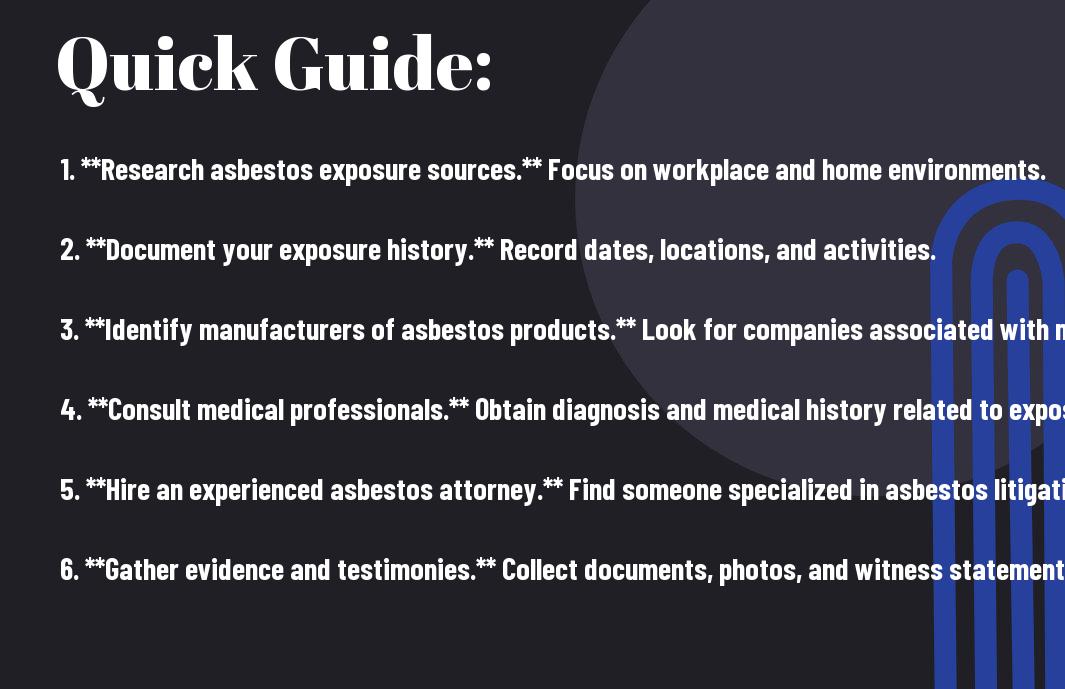
| 1. Assess Your Exposure | Determine when and where you were exposed to asbestos to narrow down potential sources. |
| 2. Gather Evidence | Collect documentation of your exposure, including work history and environmental records. |
| 3. Interview Witnesses | Find co-workers or family members who can support your claims of exposure. |
| 4. Consult Medical Experts | Obtain medical opinions to establish a link between your illness and asbestos exposure. |
| 5. Identify Responsible Parties | Compile a list of manufacturers, employers, or property owners who may be liable. |
Gathering Evidence and Documentation
On your journey to identifying liable parties in your asbestos exposure case, the first major step involves gathering evidence and documentation. This stage is critical as strong evidence is key to building your case. You should start by compiling a comprehensive work history that includes all jobs held, particularly those where potential asbestos exposure could have occurred. Consider documenting the specific materials you worked with, as well as any safety protocols followed during your tenure. This information will form the foundation upon which you can pinpoint potential sources of asbestos exposure.
In addition to your work history, it is beneficial to gather any environmental records or safety reports relevant to the locations where you were employed. This may include inspection reports, hazardous materials assessments, or company records related to asbestos usage. These documents can indicate the presence of harmful materials and highlight the negligence of employers or manufacturers in maintaining safe working conditions. Recall, the more detailed your documentation, the stronger your case will be.
Evaluating past health records is another necessary part of this process. You want to collect any medical reports that may indicate asbestos-related health issues, such as asbestosis or malignant mesothelioma. This will help establish a connection between your exposure and your medical condition, which is critical when pursuing compensation from liable parties. Overall, the goal is to meticulously gather a robust body of evidence that supports your claims, as this will be vital when navigating your case.
Interviewing Witnesses
Documentation is your friend, but it is equally important to ensure you are interviewing witnesses. Speaking with co-workers, supervisors, or anyone who might have been present during your exposure can lend credence to your claims. They might have information about the type of asbestos products used, safety protocols, or the overall work environment. Witness testimonies can be a powerful addition to your case, confirming your accounts and reinforcing the evidence you’ve gathered.
When conducting interviews, be systematic. Prepare a list of questions beforehand to ensure that you cover all relevant aspects. Ask about their experience working in the same location, whether they ever witnessed or knew about the use of asbestos-containing materials, and if they have observed any safety practices regarding asbestos handling. If possible, ask them to write down their recollections or, better yet, formally document their statements. You will be surprised how valuable these accounts can be.
Another approach may be to consider gathering testimony from former employees or even residents of the area who can attest to the presence of asbestos. The more voices you can rally around your case, the better your chances of establishing a solid timeline of exposure and implicating the proper parties responsible for your health issues.
Consulting Medical Experts
Now, to validate your claims further, consulting medical experts becomes necessary. Medical professionals specializing in asbestos-related diseases can assess your condition and provide a comprehensive evaluation of how your exposure correlates with your current health issues. These experts may conduct examinations, order medical tests, and review your medical history to form a well-rounded opinion.
An expert’s opinion can lend significant weight to your case by connecting your symptoms to asbestos exposure, which is an necessary aspect of proving liability. If you’re able to engage a credible expert who can testify in court or provide written affidavits, you dramatically improve your chances of successfully holding the appropriate parties accountable.
Liable parties may include employers who failed to provide a safe work environment, manufacturers of asbestos products that did not accurately warn of the risks, or even property owners who allowed unsafe conditions to persist. Having a thorough expert evaluation from a qualified medical professional is invaluable when seeking justice for your situation.
Tips for Building a Strong Case
Your journey to seek justice for asbestos exposure can be daunting. However, by following certain guidelines, you can significantly enhance the strength of your case. Here are some key tips to help you navigate this complex process:
- Document everything related to your exposure.
- Act quickly as statutes of limitations may apply.
- Gather testimonies from coworkers or family members.
- Engage experts in medicine and asbestos claims.
- Stay organized and aware of your legal options.
Importance of Timely Action
To be successful in your asbestos exposure case, you must understand the importance of timely action. Each state has its own statutes of limitations, which dictate how long you have to file your claim after being diagnosed with an illness caused by asbestos. Many victims mistakenly believe that they have more time than they actually do. By delaying your action, you risk losing your chance to receive compensation for your suffering.
Moreover, swift action can help preserve key evidence that supports your case. Witnesses may move, forget important details, or even pass away over time. Consequently, their testimonies could become unavailable, weakening your case. By initiating your claim sooner rather than later, you increase your chances of gathering crucial witness accounts and other forms of evidence that can bolster your case against the liable parties.
Lastly, prompt legal action allows you to start seeking the compensation you deserve. Medical bills, lost wages, and emotional distress are just a few aspects of your life that may be impacted by your asbestos exposure. By moving forward quickly, you offer yourself a better chance of recovering damages to help cover these expenses and improve your quality of life.
Maintaining Comprehensive Records
Even the best case can falter without comprehensive and organized records. The more information you document regarding your exposure and health conditions, the stronger your case will be. Keep a detailed timeline of your work history, including locations and job descriptions where you suspect asbestos exposure occurred. Collect all related medical records, including diagnosis, treatment plans, and correspondence with healthcare professionals. These documents will provide critical evidence supporting your claim.
In addition to medical documentation, maintaining records of interactions with legal professionals, insurance companies, and other relevant entities is equally necessary. This includes keeping notes of phone calls and meetings, as well as retaining copies of any letters or emails sent. Detailed records can help establish timelines and changeover points in care, which are vital in the legal process. This organized approach can prevent potential gaps in your case that may leave you vulnerable during legal proceedings.
With a systematic approach to documenting every aspect of your exposure and its fallout, you create a robust support system for your case. Well-maintained records can testify to the extent of your suffering and clarify the connection between your illness and the liable parties. This diligence can ultimately influence the outcome of your legal journey significantly.
Engaging Experienced Legal Counsel
If you want to navigate the complexities of asbestos exposure cases successfully, engaging experienced legal counsel is necessary. The laws surrounding asbestos and liability are intricate, and a knowledgeable attorney can help illuminate the nuances of your case. They can provide guidance on which legal actions to take, ensuring that you don’t overlook any important steps or deadlines. Their experience can be invaluable in negotiating settlements or pursuing litigation, as they’ll understand the strategies that work best in these types of claims.
Additionally, legal professionals with a track record in asbestos cases often have established relationships with experts in the field. They can connect you with medical professionals to corroborate your condition and specialists who can testify regarding safe exposure limits or industrial practices. Their insights can provide the necessary context for your case, significantly enhancing your chances of success. By leveraging their expertise and connections, you’re in a better position to build a compelling case against those liable for your exposure.
It is critical to choose a law firm that comprehensively understands your specific situation, including the type of asbestos exposure as well as your medical condition. You should look for legal representation that is willing to invest the time and resources necessary to fight for your rights. This alliance can make all the difference in seeking justice for yourself or a loved one affected by asbestos exposure.
Pros and Cons of Different Legal Strategies
To navigate your asbestos exposure case effectively, it is crucial to understand the different legal strategies available and their respective pros and cons. Each strategy has unique implications, and you’ll need to evaluate which best aligns with your personal situation, goals, and needs. The following table outlines key pros and cons of the main legal strategies you might consider.
Legal Strategies: Pros and Cons
| Pros | Cons |
|---|---|
| Potential for substantial compensation | Lengthy legal process |
| Increased leverage during negotiations | Emotional stress of litigation |
| Public exposure of a company’s wrongdoing | Legal fees and costs can accumulate |
| Possibility of a favorable settlement | No guaranteed outcomes in court |
| Access to a team of legal experts | Potential delay in obtaining funds |
| Support from similar claimants in class action | Limited individual recovery in long class actions |
| Opportunity for public awareness and advocacy | Risk of case dismissal or not making it to trial |
| Ability to individually tailor your case | Higher burden on the claimant |
| Access to bankruptcy trusts if available | Insufficient funding in some trusts |
| Possibility of quick resolution | Complex legal requirements and procedures |
Filing a Lawsuit vs. Settling
Some individuals grappling with the ramifications of asbestos exposure face the critical decision of whether to file a lawsuit or to pursue a settlement. When you file a lawsuit, you’re actively seeking recompense through the judicial system. This route can be advantageous, as it may yield greater compensation than a settlement might offer. However, it often involves a drawn-out process that can be emotionally exhausting and may result in heightened legal fees. Additionally, a lawsuit requires substantial proof and can hinge on the ability to demonstrate that the identified parties are indeed liable for your asbestos exposure.
On the other hand, settling can often be a quicker and less stressful way to secure compensation. If you opt to settle, you might receive a lump sum payment without the uncertainties and delays associated with litigation. This approach enables you to avoid the potential risks of trial, including the chance that you could lose entirely in a court ruling. However, it’s crucial to weigh the benefits of a swift resolution against the possibility of obtaining a higher compensation through a lawsuit.
Ultimately, the choice between filing a lawsuit and settling rests on your personal circumstances, including your health status, the strength of your evidence, and your willingness to engage in what can be a strenuous legal battle. Consulting with an attorney experienced in asbestos litigation can provide crucial insights tailored to your case, helping you make an informed decision that best serves your needs.
Class Action Suits vs. Individual Claims
Cons of participating in class action suits can sometimes outweigh the benefits when it comes to asbestos exposure cases. While class actions can provide a powerful collective front against large corporations, your individual claim may suffer in terms of compensation. The primary advantage of a class action suit is the pooling of resources, which often leads to a more robust legal representation without the overhead costs of individual claims. However, settlements in class actions are often divided among many claimants, potentially leaving you with a smaller share than you might achieve through an individual lawsuit.
Moreover, individual claims allow for personalized attention and a tailored approach to your specific circumstances, which can often resonate more with the courts and lead to a more favorable outcome. Additionally, you maintain control over your case, including strategic decisions and the timing of settlement offers. This control is particularly valuable if you are seeking damages that accurately reflect your unique circumstances.
It’s crucial to consider that individual claims can provide a greater opportunity for a timely resolution, particularly if your case is strong and supported by solid evidence. However, balancing the potential for higher financial recovery with the risk, effort, and time required for an individual claim can be a nuanced decision. Consulting with your attorney will help clarify what path aligns with your personal objectives and circumstances.
It’s also worth noting that participating in a class action suit may inherently lessen the perceived severity of your individual case. If you choose to go this route, your narrative may become one among many, making it possible for your unique issues and health concerns to become overshadowed by the collective story of the group.
Understanding the Pros and Cons of Bankruptcy Trusts
An important aspect of asbestos exposure cases involves understanding the pros and cons of bankruptcy trusts. Many companies that were responsible for exposure have filed for bankruptcy, creating trusts as part of their reorganization process to compensate victims. One advantage of these trusts is that they can provide relatively swift access to compensation without the lengthy litigation process. Additionally, they are designed specifically to address the needs of victims, ensuring that funds are available for those who qualify.
Bankruptcy Trusts: Pros and Cons
| Pros | Cons |
|---|---|
| Quick access to funds | Limited total compensation per claimant |
| Less complex than filing a lawsuit | Not all companies have trusts |
| Adequate funding set aside for victims | Trusts may run out of money |
| Reduced emotional stress compared to litigation | Eligibility can be complex |
| Ability to file claims simultaneously with lawsuits | Claims can take time to process |
| Usually no lawyer fees are involved | Potentially lower recovery amounts |
| Covers many types of asbestos-related diseases | Filing requirements vary by trust |
| Focuses on financial recovery for victims | Not a substitute for other legal actions |
| Trusts established as part of legal settlements | Complicated documentation needed |
| May be less adversarial than lawsuits | Potential negotiation limitations |
A nuanced understanding of bankruptcy trusts can significantly influence your decision-making process when navigating your asbestos exposure case. While trusts often provide a critical avenue for compensation, weighing the potential benefits against the inherent limitations underlines the importance of legal guidance specific to your unique circumstances.
The Role of Expert Witnesses
Many individuals seeking justice in asbestos exposure cases often overlook the vital role that expert witnesses play in building a strong case. Expert testimonies provide necessary insights that can either bolster or undermine your claim, depending on the expertise of the individuals you select. It is crucial to approach the process of identifying and selecting these experts with care, ensuring that they have the appropriate qualifications, experience, and credibility in the field of asbestos exposure and its related health risks.
Identifying and Selecting Experts
Some of the steps you should take in identifying and selecting expert witnesses involve thorough research and careful consideration of candidates. When looking for experts, start by evaluating professionals who have a strong background in occupational medicine, environmental science, or toxicology. Additionally, consider experts who have a track record of connecting asbestos exposure to specific diseases, such as mesothelioma or lung cancer. Their specialized knowledge can significantly enhance your case’s credibility and provide the necessary foundation for your claims.
In reviewing potential candidates, take note of their qualifications and past experiences. Seek out professionals who have authored scholarly articles or performed research in asbestos-related health effects. Furthermore, a good expert should have previous experience testifying in court, as this indicates they are comfortable explaining complex scientific concepts to judges and juries. Request a list of publications and a curriculum vitae from potential experts to confirm their relevance and authority in the field.
Lastly, consider the expert’s communication skills and personality traits. An effective expert witness must convey complex information in a clear and engaging manner. You want someone who can connect with the jury and present their findings persuasively. Schedule an introductory meeting with potential experts to assess their ability to articulate their opinions and assess their willingness to work closely with your legal team. By selecting the right expert, you can significantly impact your asbestos exposure case.
Testimony and Evidence Presentation
Some aspects of expert witness involvement revolve around their ability to present compelling testimony and evidence effectively. An expert’s testimony must be not only informative but also persuasive, ensuring that misinformation or misconceptions surrounding asbestos exposure are addressed. Your expert should be ready to lay out the scientific basis for their opinions, drawing from their professional background while systematically presenting the evidence that links asbestos exposure to harm in your case.
The way an expert presents evidence is crucial. Courts rely heavily on the expert’s ability to translate complex data into understandable terms that resonate with the judge and jury. A good expert will use visual aids, charts, and diagrams where necessary to enhance comprehension and retention. When an expert can effectively break down the science behind asbestos exposure, it instills greater confidence in the validity of your claims.
Identifying the appropriate methods for evidence presentation can have a lasting impact on the outcome of your case. Consider how expert witnesses can utilize technology and visual storytelling to make their testimony engaging and relevant. Expert testimony should support your narrative while making the complex details easy to grasp—an invaluable element in persuading the court.
Impact of Expert Opinions on Case Outcomes
Identifying the impact of expert opinions on case outcomes is crucial in understanding the dynamics of any asbestos exposure litigation. The weight of an expert’s opinion can greatly influence the direction of your case. Jurors tend to regard expert witnesses as trusted authorities; their perspectives can either restore hope or lead to discouraging results. The ability of the expert to clearly connect the dots—linking exposure to specific health issues—can determine whether your claims carry enough weight for compensation.
Furthermore, if the expert’s conclusions are presented with strong supporting evidence, the case holds more validity. When your expert provides comprehensive validation of the facts, juries and judges are more likely to accept those points. The effectiveness and reliability of their assessments bolster your position, tipping the scales in your favor. Conversely, if an expert’s opinion is weak or poorly presented, it can jeopardize your case and potentially dismiss your claims.
A strong expert opinion not only lends credence to your allegations but also enhances the overall persuasiveness of your case, reinforcing your pursuit of justice and compensation. Ultimately, the expert’s credibility is paramount; thus, your diligence in selecting the right professionals can greatly enhance your chances of a favorable judgment.
Evaluating Potential Compensation
Once again, it’s important to understand the various aspects of your asbestos exposure case as you work towards identifying the liable parties. Understanding the types of compensation available to you can greatly influence your decision to proceed with a claim. For more guidance, you can refer to our article on Parties Who May Be Responsible for Asbestos in Your Home. Different types of damages can arise from exposure, including medical expenses, lost wages, and pain and suffering, among others. Recognizing these categories of damages is crucial to assessing the full extent of your potential compensation.
Types of Damages Available
In your asbestos exposure case, there are generally three primary types of damages that you might claim: economic damages, non-economic damages, and punitive damages. Economic damages encompass your direct financial losses related to the exposure, such as past and future medical expenses, costs for medical treatment (including surgeries and therapies), and lost wages due to your inability to work. These can often be calculated straightforwardly through your receipts and pay stubs.
| Type of Damage | Description |
| Economic Damages | Direct financial losses |
| Non-Economic Damages | Pain, suffering, and emotional distress |
| Punitive Damages | Intended to punish and deter wrongful conduct |
| Loss of Companionship | Damages related to loss of family relationships |
| Long-Term Care Costs | Future medical treatments and support |
Non-economic damages cover the emotional and psychological impact of your exposure to asbestos. This can include pain and suffering, loss of enjoyment of life, and emotional distress. These damages can be more challenging to quantify but are nonetheless a significant part of your overall compensation. Punitive damages, though less common, may also be available if the court finds the responsible parties acted with gross negligence or intentional misconduct; these serve to punish the wrongdoer and deter future comparable actions.
Factors Affecting Compensation Amount
With any legal case, several factors will ultimately affect the amount of compensation you could receive. This encompasses the severity of your asbestos-related disease, the length of your exposure, and any pre-existing health conditions that could influence your prognosis and care requirements. Additionally, the credibility and reliability of the evidence you present, including medical records and testimony about the exposure source, play significant roles in determining compensation.
- Severity of Disease
- Length of Exposure
- Pre-existing Conditions
- Evidence Quality
- Economic Impact
Types of medical treatment you have received and may receive in the future will also significantly influence how damages are calculated. If your exposure has led to significant, long-term health issues, your compensation may be considerably higher to reflect your ongoing treatment and impact on life. Factors like your age, family situation, and whether you can return to work will also come into play; all these aspects contribute to the overall narrative of your case. Perceiving these factors understandably provides you with a clearer picture of the potential financial compensation you might receive.
Calculation Methods for Damages
Calculation methods for damages can vary based on jurisdiction and the unique circumstances of your case. Typically, economic damages are calculated by tallying your actual incurred costs, while non-economic damages often require a formula based on the severity of your condition and how it affects your life. It’s also possible to engage experts who can professionally assess your case and describe thorough, reliable methods for damage calculation.
Plus, understanding the specific methods used for calculating damages can empower you during negotiations with insurance companies or opposing counsel. Documents such as medical records, bills, and testimonies from healthcare providers should all be prepared and available throughout the process. The more solid your case is, the better chance you have of achieving satisfactory compensation outcomes.
The insights gathered about your potential compensation highlight the importance of thorough documentation and professional representation. Recognizing the key types of damages, factors affecting compensation, and calculation methods respectively allows you to build a strategy that effectively communicates your needs and demands for fair reparations.
Working with Legal Professionals
For anyone dealing with an asbestos exposure case, selecting the appropriate legal representation is crucial. It is imperative to work with a lawyer who specializes in asbestos-related claims, as this area of law can be particularly complex. You should seek an attorney who has extensive experience handling similar cases and a proven track record of achieving favorable outcomes for their clients. Your choice of attorney can significantly influence your case’s direction, so diligence in your selection process is key to ensuring that your rights and interests are robustly protected.
Choosing the Right Attorney
Right from the start, you should prioritize finding an attorney who understands the specifics of asbestos litigation. This includes familiarity with the various industries where asbestos exposure was prevalent, such as construction, shipbuilding, and manufacturing. During your initial consultations, assess not only their professional credentials but also their empathetic approach to handling clients. You want a legal partner who recognizes the emotional burden of your situation and is committed to fighting for your rights while keeping you informed at every stage of the process.
Furthermore, consider the attorney’s reputation within the legal community and their success stories pertaining to asbestos cases. A lawyer with strong recommendations from past clients and peers often signifies that they possess the necessary skills and tenacity to advocate on your behalf. Ensure that they are familiar with potential defendants and can navigate the intricacies of assigning liability in such cases. A proactive attorney will not shy away from the tough negotiations often required to secure the compensation you deserve.
Lastly, don’t overlook the importance of personal rapport. You’ll need to feel comfortable discussing your medical history, concerns, and specifics about your case. The right attorney will make you feel at ease while also being transparent about the complexities of the legal journey ahead. Your selection process should focus heavily on finding an attorney who not only meets the above criteria but also resonates with your personal values and communication style.
Understanding Legal Fees and Costs
Assuming you’ve selected the right attorney, understanding their fee structure and associated costs is paramount. Many attorneys who specialize in asbestos litigation operate on a contingency fee basis, meaning they collect their fees only if you win your case. This arrangement can alleviate some financial burdens during a particularly challenging time since you won’t be responsible for upfront legal costs. However, it is critical to clarify the percentage that will be taken from your settlement, as it may vary significantly between practitioners.
You must also inquire about any additional costs that may arise during the legal process. This can include expenses related to court filing fees, expert witness fees, and administrative costs. Being well-informed about these potential expenses avoids any surprise bills and allows you to budget effectively throughout the duration of your case. It’s a smart move to discuss these elements upfront to have a comprehensive understanding of what to expect financially as your case progresses.
Another vital aspect is confirming whether your attorney will take care of these costs as they arise or if you will be responsible for them. Depending on your arrangement, some lawyers might deduct these amounts from your settlement after a successful resolution, while others may require you to cover them as they occur. Clear communication about finances upfront can facilitate a smoother process and reduce apprehensions regarding unexpected expenses.
The Importance of Communication
On your journey through the legal system, effective communication with your attorney is imperative. Consistent dialogue allows you to stay updated on your case progress and provides an opportunity to discuss any concerns you may have. It’s important that your attorney keeps you informed about any developments or changes in strategy, ensuring that you are well-prepared for each step of the legal process. A collaborative relationship will serve you well in achieving the best possible outcome.
Legal professionals are your advocates in this journey, and you have every right to expect timely responses to your inquiries and transparency in their communication. Should there be any changes in your case’s status, a skilled attorney should evaluate the situation and provide you with advice on the best course of action. By fostering an open line of communication, you can work together to build a strong case for compensation.
Legal success in your asbestos exposure case heavily relies on effective communication. If you ever feel out of the loop or uncertain about any aspect of your case, don’t hesitate to reach out. Your attorney’s commitment to keeping you informed not only strengthens your case but helps you feel more confident throughout the legal process.
Navigating the Claims Process
All aspects of the claims process for asbestos exposure can feel overwhelming, but breaking it down into manageable steps can help you regain control. One of the most critical steps in this journey is filing claims with the court. It often requires adhering to specific legal guidelines and deadlines, each of which must be meticulously followed to ensure your case is evaluated fairly. Depending on jurisdiction, you may need to submit a formal complaint outlining your exposure, the parties you believe are liable, and the damages you are claiming. Engaging an attorney can be immensely beneficial here, as they are experienced in navigating the legal landscape and can help ensure your claims are accurately represented and filed on time.
On the day of your court appearance, prepare yourself for questioning from both the judge and possibly the defendant’s legal team. Understanding the nuances of courtroom procedure is paramount. You will need to present evidence supporting your claims, which may include medical documentation proving your asbestos-related illnesses, witness testimonies, and expert opinions that establish a connection between your exposure and the liable parties. Each piece of evidence you provide strengthens your case, enabling you to demonstrate not only the extent of your suffering but also the responsibility of the defendants. Recall, emotions can run high during these proceedings, so maintaining your composure and being clear in your statements is crucial.
Once your case is filed, you may face challenges from the defendants’ attorneys aiming to dismiss or reduce your claims. It’s important to remain vigilant and heed the advice of your legal counsel. They will navigate you through potential motions questioning the sufficiency of your claims. This is a normal part of the process, and having a team that understands how to defend against such tactics will significantly enhance your chances of success. Ultimately, achieving a favorable outcome will require thorough preparation, a strong evidential base, and a clear presentation of your argument in court.
Engaging with Insurance Companies
Insurance companies often play a pivotal role in the asbestos exposure claims process. They are typically the ones responsible for compensating you if the liable party has coverage. Insurance companies may initially appear accommodating, offering you settlements that may seem fair. However, it’s important to recognize that their primary goal is to protect their bottom line, and they may attempt to minimize payouts or delay your claims. Always approach these negotiations with caution. Having a seasoned attorney by your side can assure you that your interests are prioritized and that you are not accepting an inadequate settlement out of desperation.
Insurance representatives may request extensive documentation to support your claims, including medical records, proof of exposure, and evidence of any lost wages. Responding thoroughly and promptly is important to keep the claims process moving forward. It’s advisable to maintain clear records of all communications with the insurance company, including the names of representatives, dates of conversations, and details discussed. This information can be invaluable if disputes arise regarding the handling of your claim or the value of your settlement.
Process your engagement with insurance companies in a way that aligns with your goals. Be ready for negotiation initiatives that require you to assert the strength of your evidence while remaining flexible to come to a reasonable agreement. Understand your rights and how necessary documents flow back and forth during this process. Firm communication will reinforce your case and help maintain a positive negotiation environment.
Understanding Settlement Negotiations
You will likely encounter settlement negotiations as a part of your asbestos exposure claims journey. Achieving a settlement can be an effective method of resolving your case without the drawn-out process of trial. Typically, negotiations involve back-and-forth discussions between your attorney and the opposing party’s legal team, centered around the compensation amount for damages you have suffered due to asbestos exposure. Knowledge is power during this process. Understanding the worth of your claim can help you negotiate effectively, and showing the insurer that you are prepared to take your case to court if necessary can bolster your bargaining position.
During negotiations, keep an open line of communication with your attorney. Regular updates about any offers received or counteroffers made are vital in formulating your next steps. Being informed ensures you are ready to make decisions that reflect your best interests and allows for insights into how the opposing side is valuing your case. Highlighting aspects such as emotional suffering, ongoing medical treatment costs, and lost earnings will help in accurately presenting the comprehensive extent of your damages to the negotiating table.
Another important aspect of understanding settlement negotiations is recognizing the potential for compromise. While it’s vital to aim for a fair settlement that accurately reflects your suffering, being open to alternative resolutions can facilitate a more expedient process. Sometimes, pursuing a settlement may represent a more favorable outcome than risking the uncertainties of a trial. Balancing emotional sensitivity and financial considerations will be crucial in making a decision that feels right for you.
Emotional and Psychological Aspects of Asbestos Exposure Cases
Not only does asbestos exposure lead to serious physical ailments, but it also imposes profound emotional and psychological challenges. As a victim, you might experience feelings of fear, anxiety, and helplessness as you navigate the complexities of diagnosis, treatment, and potential litigation. The emotional toll of a diagnosis such as mesothelioma or asbestosis can be overwhelming, affecting not just your well-being but also the well-being of your loved ones. Therefore, it’s necessary to understand and address these psychological dimensions to foster resilience and coping strategies as you move forward.
Counseling and Support Resources
Psychological well-being is an necessary aspect of your journey following asbestos exposure. Engaging with counseling services can provide invaluable support as you cope with the emotional aftermath of your illness. Mental health professionals specializing in chronic illness or trauma can offer you a safe space to express your feelings, fears, and uncertainties. They can also equip you with tools to process your situation more constructively, which may include cognitive-behavioral therapy or mindfulness practices tailored specifically to your needs.
In addition to individual counseling, support groups can be a powerful resource. Connecting with others who share similar experiences can help mitigate feelings of isolation. In these settings, you can share your challenges, learn from peers, and find comfort in knowing that others understand what you are going through. Many hospitals and cancer centers offer access to support groups, either in-person or virtually, which can be particularly beneficial as you navigate the dual challenges of illness and legal discussions surrounding your case.
Furthermore, family members and friends often bear the emotional load when you experience health crises. Addressing their feelings and ensuring they have access to support resources can be beneficial. Family counseling may help not only you but also your loved ones process the impact of your diagnosis and legal battles. This multi-faceted approach to emotional support can create a more comprehensive recovery environment that extends beyond individual therapy.
Coping with Illness and Legal Stress
Counseling plays a pivotal role in managing the stress associated with both your illness and legal proceedings. The anticipation of medical appointments, treatment side effects, and the uncertainty of legal outcomes can create a perilous emotional landscape. You may find it helpful to engage in stress-reduction techniques that counselors can introduce, such as guided meditation, journaling, or deep breathing exercises. Practicing these techniques regularly can help you gain control over your emotional responses and maintain a sense of calm amidst the chaos.
The intersection of legal stress and health challenges can be particularly daunting. You might experience heightened anxiety about the financial implications of your case while concurrently worrying about your health outcomes. Acknowledging these stressors and discussing them with a therapist can help you devise effective strategies for coping. Over time, this will not only benefit your mental health but also provide you with a clearer mindset for navigating your legal options and decisions.
Exposure to asbestos creates a multi-layered struggle that encompasses health, legal, and emotional battles. Now, equipping yourself with the right support systems can significantly help you cope more effectively. Balancing the stress of treatment and legal timelines requires specific coping mechanisms tailored to your reality.
The Importance of Patient Advocacy
Emotional support and patient advocacy go hand in hand in these situations. When you face the aftermath of asbestos exposure, having someone in your corner advocating for your rights can significantly boost your morale and sense of agency. Patient advocates are knowledgeable about the healthcare system and can help you navigate your treatment options, ensuring that you receive necessary medical care and resources. This support can reduce the burden you feel and allow you to focus on your recovery.
Strong advocacy also extends into the legal arena. When you have someone advocating for you, they can help combat feelings of vulnerability by ensuring that your voice is heard when it comes to your legal rights and needs. Engaging with a legal representative specialized in asbestos exposure cases can alleviate some of that burden. They can guide you through each step, clarify what to expect, and prepare you to make informed decisions regarding your case. This partnership fosters empowerment, as you are backed by professionals committed to championing your rights and securing the compensation you deserve.
Advocacy for your medical and legal needs reinforces your emotional resilience. It ensures that you are not just passively enduring your situation but instead actively participating in your care and legal outcomes. Taking control in these areas can ease the psychological strain associated with being a victim of asbestos exposure.
Precedents and Emerging Trends
Now, as you dive deeper into understanding your asbestos exposure case, it’s crucial to examine the precedents set by notable asbestos litigation cases. There’s a wealth of information to glean from past court decisions that can help shape your approach to identifying liable parties. One significant case is the U.S. Supreme Court decision in 1986’s “Simmons v. General Motors Corporation”, which established that manufacturers could be held liable for damages arising from asbestos exposure. This landmark ruling underscored the importance of proving a clear link between the product and the exposure to harmful substances, setting a precedent that many subsequent cases have followed. Understanding these implications can empower you in legal negotiations or court proceedings, ensuring you know what evidence is necessary to support your claim effectively.
Another pivotal case is “Cleveland v. Tazewell County,” where the court ruled in favor of the plaintiffs, affirming their rights against negligent employers who failed to adequately protect their workers. The implications of this case extend to understanding employer liability and the necessity of adequate workplace safety measures concerning asbestos exposure. You should recognize how these precedents can influence your case, as they illustrate the legal grounds upon which you can base your claims. They provide an important framework and serve as a reminder of the duty of care expected from both manufacturers and employers in safeguarding their employees from known dangers.
Many emerging trends in asbestos litigation focus on the growing recognition of environmental asbestos exposure. There’s an expanding legal acknowledgment that exposure isn’t limited to industrial settings but can also occur in residential and community areas. Cases such as “Mason v. GE,” which involved alleged contamination from a manufacturing plant, demonstrate how courts are increasingly willing to hold manufacturers liable for broader environmental disasters. As you prepare for your asbestos case, consider how these trends may shift liability and expand the number of potentially responsible parties in your situation.
Current Trends in Asbestos Litigation
Their recent trends in asbestos litigation are characterized by shifts toward transparency and accountability in the court system. As juries become more aware of the dangers posed by asbestos, evidence regarding past negligence by employers and manufacturers is gaining traction. There’s a clear push for substantial compensation for victims, often reflected in significant jury awards in recent cases. Lawyers are utilizing advanced forensic evidence to trace back the responsibility of various companies involved in asbestos production or handling. This is important for you to understand because proving fault can significantly affect the outcome of your case and lead to just compensation for your suffering.
Understanding these trends also involves recognizing how changes in legislation and societal attitudes toward asbestos exposure are impacting litigation. As more states push for stricter regulations and increased penalties for noncompliance regarding the handling of asbestos, you may find a stronger legal framework for your case. Additionally, many law firms are increasingly specialized in asbestos litigation. This surge in legal expertise reflects a growing public awareness around the dangers of asbestos and the rights of those affected. As you navigate your case, understanding these dynamics can give you leverage in negotiations with entities that may be held responsible.
Understanding these current trends equips you with insights into how juries perceive asbestos exposure and the attitude of the courts towards holding corporations accountable. Familiarizing yourself with these developments could be vital to your strategy and actions during the litigation process.
Future of Asbestos Liability and Regulations
While the future of asbestos liability seems fraught with challenges, it simultaneously presents opportunities for enhanced public health safety. As regulations around asbestos continue to evolve, you should anticipate stricter guidelines that will hold manufacturers and employers even more accountable for asbestos exposure. There is a growing consensus among lawmakers and health officials that stronger regulations must be implemented to prevent future health crises stemming from asbestos. Recent legislative efforts aim to broaden the scope of who can be held accountable, potentially including more parties in litigation than in the past. This could provide you with additional paths to pursue compensation for your exposure.
Importantly, with ongoing research highlighting the links between asbestos and various health issues, legal precedents are likely to continuously adapt as new information emerges. You may also witness an increase in compensation funds designed explicitly for asbestos victims, which reflects an acknowledgment of the long-term health effects associated with exposure. Understanding this landscape can empower you to consider alternative routes for obtaining compensation beyond traditional litigation, such as trust funds set up by bankrupt companies previously involved in asbestos production.
Another aspect of the future landscape revolves around international perspectives on asbestos liability. Countries globally are increasingly reevaluating their asbestos regulations, leading to a comprehensive rethinking of liability standards. This might mean adopting more stringent rules, allowing for broadening definitions of exposure, and understanding how liability plays out across borders. As an individual navigating a case of asbestos exposure, it’s vital to stay informed about these changes to leverage any legal developments that may assist your journey toward justice.
Summing up
With this in mind, understanding how to identify liable parties in your asbestos exposure case is crucial for pursuing justice and obtaining the compensation you deserve. Your journey begins with thorough research and comprehensive documentation. This means gathering information about your work history, the locations where you were exposed to asbestos, and the products or materials that contained it. You should also speak to former colleagues or fellow workers to compile testimonies or evidence that could bolster your case. This foundational knowledge will empower you when discussing your situation with legal professionals and helps to establish a clear timeline of exposure, which is critical to pinpointing potential defendants.
Once you have documented your exposure, it is vital to explore the various parties that could be held accountable. Potentially liable parties include your former employer, manufacturers of asbestos-containing products, or suppliers and contractors who were negligent in protecting you from exposure. Understanding the nuances of liability law is crucial, as different states have varying regulations regarding occupational exposure to asbestos. Engaging a knowledgeable attorney who specializes in asbestos litigation can help you navigate these complexities and identify parties who may be held responsible for their negligence or harmful actions.
Ultimately, having a clear strategy and an informed approach will significantly enhance your chances of success in your asbestos exposure case. Being proactive in your investigation not only lays a strong foundation for your claims but also fosters a sense of empowerment during an otherwise challenging process. Gathering evidence, consulting experts in the field, and diligently reviewing potential culpable parties aligns you on the path toward accountability and sufficient compensation for the repercussions of asbestos exposure. Recall, you are not alone, and with the right support and understanding of these vital steps, you can make informed decisions that safeguard your rights.
FAQ
Q: What is asbestos exposure and why is it a concern?
A: Asbestos exposure refers to the inhalation or ingestion of asbestos fibers, which are known to cause serious health risks, including lung cancer, mesothelioma, and asbestosis. Because of its fire-resistant properties, asbestos was commonly used in construction and manufacturing until the late 20th century when its dangers became more widely recognized. Understanding the risks associated with asbestos exposure is crucial for determining liability and pursuing legal claims.
Q: Who can be held liable for asbestos exposure?
A: Several parties can be held liable for asbestos exposure, including manufacturers of asbestos-containing products, employers who failed to provide a safe working environment, contractors or subcontractors involved in construction or demolition, and property owners who did not adequately warn or protect individuals from exposure. Identifying the correct liable party is necessary for building a strong case.
Q: How do I determine which parties are responsible for my asbestos exposure?
A: To determine liable parties, you can begin by gathering evidence related to your exposure. This includes documentation of your work history, records of any asbestos-containing materials present in environments you frequented, and the timeline of your exposure. Consulting with legal professionals who specialize in asbestos litigation can also help trace the source of exposure and identify parties who may be held responsible.
Q: Can multiple parties be held liable in an asbestos exposure case?
A: Yes, multiple parties can be held liable in an asbestos exposure case. In fact, it’s common for victims to identify several defendants, like manufacturers, employers, and contractors, as each may have contributed to the exposure. In such cases, liability may be shared depending on each party’s level of negligence and responsibility in the chain of asbestos handling.
Q: What evidence is crucial for proving liability in an asbestos exposure case?
A: Key pieces of evidence that can support your case include occupational history records, product information (safety data sheets, packaging, etc.), medical records demonstrating asbestos-related conditions, witness statements, and documentation proving the presence of asbestos in places where you worked or lived. All of this evidence can help establish a link between your exposure and the liable parties.